Showing posts with label Denmark. Show all posts

Friday, January 2, 2026

Denmark

Denmark
Own 
Dueño 
Dueña 
 
 
𝐂𝐨𝐥𝐨𝐬𝐬𝐢𝐚𝐧𝐬 𝟐:𝟔
“𝐀𝐬 𝐲𝐞 𝐡𝐚𝐯𝐞 𝐭𝐡𝐞𝐫𝐞𝐟𝐨𝐫𝐞 𝐫𝐞𝐜𝐞𝐢𝐯𝐞𝐝 𝐂𝐡𝐫𝐢𝐬𝐭 𝐉𝐞𝐬𝐮𝐬 𝐭𝐡𝐞 𝐋𝐨𝐫𝐝, 𝐬𝐨 𝐰𝐚𝐥𝐤 𝐲𝐞 𝐢𝐧 𝐡𝐢𝐦:” 


Julieta (Olivia Hussey)


𝐂𝐡𝐞𝐬𝐬: "𝐎𝐰𝐧" "𝐏𝐫𝐨𝐩𝐢𝐨" "𝐃𝐮𝐞𝐧̃𝐨" "𝐃𝐮𝐞𝐧̃𝐚" 
 
𝐋𝐀 𝐂𝐀𝐑𝐑𝐄𝐓𝐀; 𝐋𝐀 𝐈𝐍𝐓𝐑𝐔𝐒𝐀 𝐘 𝐄𝐋 𝐂𝐑𝐈𝐒𝐓𝐎 𝐑𝐄𝐂𝐈𝐁𝐈𝐃𝐎 


Hay objetos que no son meros objetos, sino formas de caminar. 𝐋𝐚 𝐜𝐚𝐫𝐫𝐞𝐭𝐚 𝐜𝐨𝐬𝐭𝐚𝐫𝐫𝐢𝐜𝐞𝐧𝐬𝐞 — humilde, colorida, sostenida por tres parales que parecen tres fidelidades — pertenece a esa categoría. No es solo un vehículo: es un modo de recibir el peso del mundo sin romperse, un modo de avanzar sin violencia, un modo de honrar lo que se carga. En ella, el café maduro no es botín ni trofeo, sino fruto que se transporta con paciencia, con ritmo, con obediencia al camino. La carreta enseña, sin palabras, que lo recibido se vuelve verdadero solo cuando se anda.

En el extremo opuesto de esa mansedumbre se encuentra 𝐋𝐚 𝐢𝐧𝐭𝐫𝐮𝐬𝐚 𝐝𝐞 𝐁𝐨𝐫𝐠𝐞𝐬, un relato donde la recepción se vuelve posesión, y la posesión se vuelve tragedia. Los hermanos Nilsen creen haber recibido algo precioso, pero lo reciben mal: reciben a Juliana como se recibe un objeto, no una presencia; como se recibe un deseo, no una revelación. La comparten sin entregarse, la poseen sin comprenderla, la sacrifican sin transformarse. Y en ese gesto final — brutal, seco, casi ritual — descubren, sin saberlo, que lo que habían recibido no era Cristo, sino una imagen deformada de Él. Una encarnación falsa, una comunión sin conversión, una cercanía sin camino.

Ese descubrimiento, aunque narrado en clave de violencia, es profundamente espiritual. Porque hay recepciones que no son auténticas, y hay presencias que solo parecen sagradas. El corazón humano, cuando no discierne, confunde la gracia con el deseo, la encarnación con la utilidad, la comunión con el uso. Y entonces, como los hermanos, termina sacrificando no a Cristo, sino al ídolo que había tomado por Cristo. La muerte de Juliana no es la muerte de la gracia, sino la muerte de la falsa gracia. Es el momento oscuro en que el alma comprende que había recibido mal, que había confundido la apariencia con la verdad.

𝐄𝐬 𝐚𝐪𝐮𝐢́ 𝐝𝐨𝐧𝐝𝐞 𝐂𝐨𝐥𝐨𝐬𝐞𝐧𝐬𝐞𝐬 𝟐:𝟔 𝐞𝐧𝐭𝐫𝐚 𝐜𝐨𝐦𝐨 𝐜𝐥𝐚𝐯𝐞 𝐡𝐞𝐫𝐦𝐞𝐧𝐞́𝐮𝐭𝐢𝐜𝐚:
“𝐀𝐬𝐢́ 𝐜𝐨𝐦𝐨 𝐫𝐞𝐜𝐢𝐛𝐢𝐬𝐭𝐞𝐢𝐬 𝐚𝐥 𝐒𝐞𝐧̃𝐨𝐫 𝐉𝐞𝐬𝐮𝐜𝐫𝐢𝐬𝐭𝐨, 𝐚𝐧𝐝𝐚𝐝 𝐞𝐧 𝐄́𝐥.”

El versículo no es una orden moral, sino una advertencia ontológica:
lo recibido sin camino se pudre;
lo recibido sin entrega se deforma;
lo recibido sin obediencia se convierte en intrusa.

La carreta encarna la recepción correcta: lo que se recibe se carga, lo que se carga se honra, lo que se honra se camina. La intrusa encarna la recepción equivocada: lo que se recibe se usa, lo que se usa se disputa, lo que se disputa se destruye. Y entre ambas imágenes — la carreta que avanza y la mujer sacrificada — se abre el espacio donde Colosenses ilumina: recibir a Cristo no es poseerlo, ni compartirlo como un objeto, ni sacrificarlo para preservar el propio ego. Recibir a Cristo es andar en Él, dejar que Él ordene, que Él transforme, que Él revele.

Así, la carreta costarricense se vuelve un ícono de la fe auténtica; La intrusa, un espejo oscuro de la fe deformada; y Colosenses, el puente que permite discernir entre ambas. El caminante que entiende esto ya no teme a la sombra, porque sabe que incluso la sombra puede revelar la luz que había sido mal recibida. Y entonces, con la carreta como maestra y Borges como advertencia, aprende a recibir a Cristo no como intrusa, sino como camino.


𝐋𝐚 𝐢𝐧𝐭𝐫𝐮𝐬𝐚
[𝐂𝐮𝐞𝐧𝐭𝐨 - 𝐓𝐞𝐱𝐭𝐨 𝐜𝐨𝐦𝐩𝐥𝐞𝐭𝐨.]

𝐉𝐨𝐫𝐠𝐞 𝐋𝐮𝐢𝐬 𝐁𝐨𝐫𝐠𝐞𝐬  


Dicen (lo cual es improbable) que la historia fue referida por Eduardo, el menor de los Nelson, en el velorio de Cristián, el mayor, que falleció de muerte natural, hacia mil ochocientos noventa y tantos, en el partido de Morón. Lo cierto es que alguien la oyó de alguien, en el decurso de esa larga noche perdida, entre mate y mate, y la repitió a Santiago Dabove, por quien la supe. Años después, volvieron a contármela en Turdera, donde había acontecido. La segunda versión, algo más prolija, confirmaba en suma la de Santiago, con las pequeñas variaciones y divergencias que son del caso. La escribo ahora porque en ella se cifra, si no me engaño, un breve y trágico cristal de la índole de los orilleros antiguos. Lo haré con probidad, pero ya preveo que cederé a la tentación literaria de acentuar o agregar algún pormenor.

En Turdera los llamaban los Nilsen. El párroco me dijo que su predecesor recordaba, no sin sorpresa, haber visto en la casa de esa gente una gastada Biblia de tapas negras, con caracteres góticos; en las últimas páginas entrevió nombres y fechas manuscritas. Era el único libro que había en la casa. La azarosa crónica de los Nilsen, perdida como todo se perderá. El caserón, que ya no existe, era de ladrillo sin revocar; desde el zaguán se divisaban un patio de baldosa colorada y otro de tierra. Pocos, por lo demás, entraron ahí; los Nilsen defendían su soledad. En las habitaciones desmanteladas dormían en catres; sus lujos eran el caballo, el apero, la daga de hojas corta, el atuendo rumboso de los sábados y el alcohol pendenciero. Sé que eran altos, de melena rojiza. Dinamarca o Irlanda, de las que nunca oirían hablar, andaban por la sangre de esos dos criollos. El barrio los temía a los Colorados; no es imposible que debieran alguna muerte. Hombro a hombro pelearon una vez a la policía. Se dice que el menor tuvo un altercado con Juan Iberra, en el que no llevó la peor parte, lo cual, según los entendidos, es mucho. Fueron troperos, cuarteadores, cuatreros y alguna vez tahúres. Tenían fama de avaros, salvo cuando la bebida y el juego los volvían generosos. De sus deudos nada se sabe y ni de dónde vinieron. Eran dueños de una carreta y una yunta de bueyes.

Físicamente diferían del compadraje que dio su apodo forajido a la Costa Brava. Esto, y lo que ignoramos, ayuda a comprender lo unidos que fueron. Malquistarse con uno era contar con dos enemigos.

Los Nilsen eran calaveras, pero sus episodios amorosos habían sido hasta entonces de zaguán o de casa mala. No faltaron, pues, comentarios cuando Cristián llevó a vivir con él a Juliana Burgos. Es verdad que ganaba así una sirvienta, pero no es menos cierto que la colmó de horrendas baratijas y que la lucía en las fiestas. En las pobres fiestas de conventillo, donde la quebrada y el corte estaban prohibidos y donde se bailaba, todavía, con mucha luz. Juliana era de tez morena y de ojos rasgados; bastaba que alguien la mirara, para que se sonriera. En un barrio modesto, donde el trabajo y el descuido gastan a las mujeres, no era mal parecida.

Eduardo los acompañaba al principio. Después emprendió un viaje a Arrecifes por no sé qué negocio; a su vuelta llevó a la casa una muchacha, que había levantado por el camino, y a los pocos días la echó. Se hizo más hosco; se emborrachaba solo en el almacén y no se daba con nadie. Estaba enamorado de la mujer de Cristián. El barrio, que tal vez lo supo antes que él, previó con alevosa alegría la rivalidad latente de los hermanos.

Una noche, al volver tarde de la esquina, Eduardo vio el oscuro de Cristián atado al palenque En el patio, el mayor estaba esperándolo con sus mejores pilchas. La mujer iba y venía con el mate en la mano. Cristián le dijo a Eduardo:

-Yo me voy a una farra en lo de Farías. Ahí la tenés a la Juliana; si la querés, usala.

El tono era entre mandón y cordial. Eduardo se quedó un tiempo mirándolo; no sabía qué hacer. Cristián se levantó, se despidió de Eduardo, no de Juliana, que era una cosa, montó a caballo y se fue al trote, sin apuro.

Desde aquella noche la compartieron. Nadie sabrá los pormenores de esa sórdida unión, que ultrajaba las decencias del arrabal. El arreglo anduvo bien por unas semanas, pero no podía durar. Entre ellos, los hermanos no pronunciaban el nombre de Juliana, ni siquiera para llamarla, pero buscaban, y encontraban razones para no estar de acuerdo. Discutían la venta de unos cueros, pero lo que discutían era otra cosa. Cristián solía alzar la voz y Eduardo callaba. Sin saberlo, estaban celándose. En el duro suburbio, un hombre no decía, ni se decía, que una mujer pudiera importarle, más allá del deseo y la posesión, pero los dos estaban enamorados. Esto, de algún modo, los humillaba.

Una tarde, en la plaza de Lomas, Eduardo se cruzó con Juan Iberra, que lo felicitó por ese primor que se había agenciado. Fue entonces, creo, que Eduardo lo injurió. Nadie, delante de él, iba a hacer burla de Cristián.

La mujer atendía a los dos con sumisión bestial; pero no podía ocultar alguna preferencia por el menor, que no había rechazado la participación, pero que no la había dispuesto.

Un día, le mandaron a la Juliana que sacara dos sillas al primer patio y que no apareciera por ahí, porque tenían que hablar. Ella esperaba un diálogo largo y se acostó a dormir la siesta, pero al rato la recordaron. Le hicieron llenar una bolsa con todo lo que tenía, sin olvidar el rosario de vidrio y la crucecita que le había dejado su madre. Sin explicarle nada la subieron a la carreta y emprendieron un silencioso y tedioso viaje. Había llovido; los caminos estaban muy pesados y serían las once de la noche cuando llegaron a Morón. Ahí la vendieron a la patrona del prostíbulo. El trato ya estaba hecho; Cristián cobró la suma y la dividió después con el otro.

En Turdera, los Nilsen, perdidos hasta entonces en la mañana (que también era una rutina) de aquel monstruoso amor, quisieron reanudar su antigua vida de hombres entre hombres. Volvieron a las trucadas, al reñidero, a las juergas casuales. Acaso, alguna vez, se creyeron salvados, pero solían incurrir, cada cual por su lado, en injustificadas o harto justificadas ausencias. Poco antes de fin de año el menor dijo que tenía que hacer en la Capital. Cristián se fue a Morón; en el palenque de la casa que sabemos reconoció al overo de Eduardo. Entró; adentro estaba el otro, esperando turno. Parece que Cristián le dijo:

-De seguir así, los vamos a cansar a los pingos. Más vale que la tengamos a mano.

Habló con la patrona, sacó unas monedas del tirador y se la llevaron. La Juliana iba con Cristián; Eduardo espoleó al overo para no verlos.

Volvieron a lo que ya se ha dicho. La infame solución había fracasado; los dos habían cedido a la tentación de hacer trampa. Caín andaba por ahí, pero el cariño entre los Nilsen era muy grande -¡quién sabe qué rigores y qué peligros habían compartido!- y prefirieron desahogar su exasperación con ajenos. Con un desconocido, con los perros, con la Juliana, que habían traído la discordia.

El mes de marzo estaba por concluir y el calor no cejaba. Un domingo (los domingos la gente suele recogerse temprano) Eduardo, que volvía del almacén, vio que Cristián uncía los bueyes. Cristián le dijo:

-Vení, tenemos que dejar unos cueros en lo del Pardo; ya los cargué; aprovechemos la fresca.

El comercio del Pardo quedaba, creo, más al Sur; tomaron por el Camino de las Tropas; después, por un desvío. El campo iba agrandándose con la noche.

Orillaron un pajonal; Cristián tiró el cigarro que había encendido y dijo sin apuro:

-A trabajar, hermano. Después nos ayudarán los caranchos. Hoy la maté. Que se quede aquí con su pilchas, ya no hará más perjuicios.

Se abrazaron, casi llorando. Ahora los ataba otro círculo: la mujer tristemente sacrificada y la obligación de olvidarla.

FIN

El informe de Brodie, 1970


𝐂𝐨𝐥𝐨𝐬𝐬𝐢𝐚𝐧𝐬 𝟐:𝟔
“𝐀𝐬 𝐲𝐞 𝐡𝐚𝐯𝐞 𝐭𝐡𝐞𝐫𝐞𝐟𝐨𝐫𝐞 𝐫𝐞𝐜𝐞𝐢𝐯𝐞𝐝 𝐂𝐡𝐫𝐢𝐬𝐭 𝐉𝐞𝐬𝐮𝐬 𝐭𝐡𝐞 𝐋𝐨𝐫𝐝, 𝐬𝐨 𝐰𝐚𝐥𝐤 𝐲𝐞 𝐢𝐧 𝐡𝐢𝐦:” 


𝐂𝐡𝐞𝐬𝐬:
"𝐎𝐰𝐧" "𝐏𝐫𝐨𝐩𝐢𝐨" "𝐃𝐮𝐞𝐧̃𝐨" "𝐃𝐮𝐞𝐧̃𝐚"


Thursday, April 3, 2025

TRADE WINDS

 
TRADE WINDS
Denmark
Odin
One
Uno
Jamie Fox

Luke 6:45
“A good man out of the good treasure of his heart bringeth forth that which is good; and an evil man out of the evil treasure of his heart bringeth forth that which is evil: for of the abundance of the heart his mouth speaketh.”


Norsemen on the move...

"The last work of art to be produced in Iona was, perhaps, the Book of' Kells [9|. But before it was finished, the Abbot of Iona was forced to flee to Ireland. The sea had become more menacing than the land. The Norsemen were on the move."~~~Kenneth Clark: CIVILISATION. Ch.1 The Skin of Our Teeth.


Chess: "Trade Winds" "Denmark" "Odin" "One" "Uno"

Saturday, August 3, 2024

Denmark

DENMARK
Necropolis of Djoser
Danish Roll
Rolls-Royce Silver Ghost
Austin
Dell
Po River
Springfield

Mark 16:15
“And he said unto them, Go ye into all the world, and preach the gospel to every creature.”


"The day came when blacks thronged the streets, shouting: 'The Gee-Gee, he ship in the baie!' and when the vessel from SOUTHAMPTON edged into the dock, McKay was there to watch the arrival of the new governor general, and he observed the present incumbent, a tall, slim, good-looking regimental officer in his sixties, waiting in the island's only Rolls-Royce, an impressive Silver Ghost. Now the crowd cheered, for all the top of the gangway Lord Basil Wrentham appeared, almost a twin of the man waiting in the Rolls: tall, underweight, austere, with a military bearing and haughty manner. They must have a factory somewhere in England where they punch out these cookies to impress the colonies, McKay thought.
The new Gee-Gee stood very erect, saluted the ship he was leaving, and came imperially down the gangway, but he did not go to the waiting Rolls; he merelly bowed to his predecessor, acknowledge the salutes of the guard, and looked inquisitively about the crowd. Then having located what he sought, he moved briskly forward, ignoring everyone until he stood face-to-face with Sir Benny Castain. Throwing his arms wide, he embraced the chubby black man as he had done years ago at the end of that resplendent afternoon. 'I guess there must be something extra about cricket that they don't tell you in books,' McKay said aloud as he watched, but he could hardly hear his own words, for the crowd was cheering wildly."~~~James A. Michener. CARIBBEAN. Ch12 Letters of Introduction


Rolls-Royce: Silver Ghost 1907


"In our marine the case is entirely the reverse."~~~Henry Fielding 


Rolls-Royce Silver Ghost 2018


Silver Ghost (Rolls-Royce)


The Gokstad ship at the Viking Ship Museum in Oslo, Norway


Chess: "Denmark" "Necropolis of Djoser" "Danish Roll" "Rolls-Royce: Silver Ghost" "Austin" "Dell" "Po River" "Springfield"

Monday, February 19, 2018

Sésamo

Sésamo
Sesame
Mark Twain
Zacatecas
Ajonjolí
St. Petersburg
Ali Baba
Guatemala
Soy
CNP
Baptism
Michael Jordan 
Denmark

1Pet.1:23
"Being born again, not of corruptible seed, but of incorruptible, by the word of God, which liveth and abideth for ever."


"He was soiled and seedy and fragrant with gin." ~~~Mark Twain


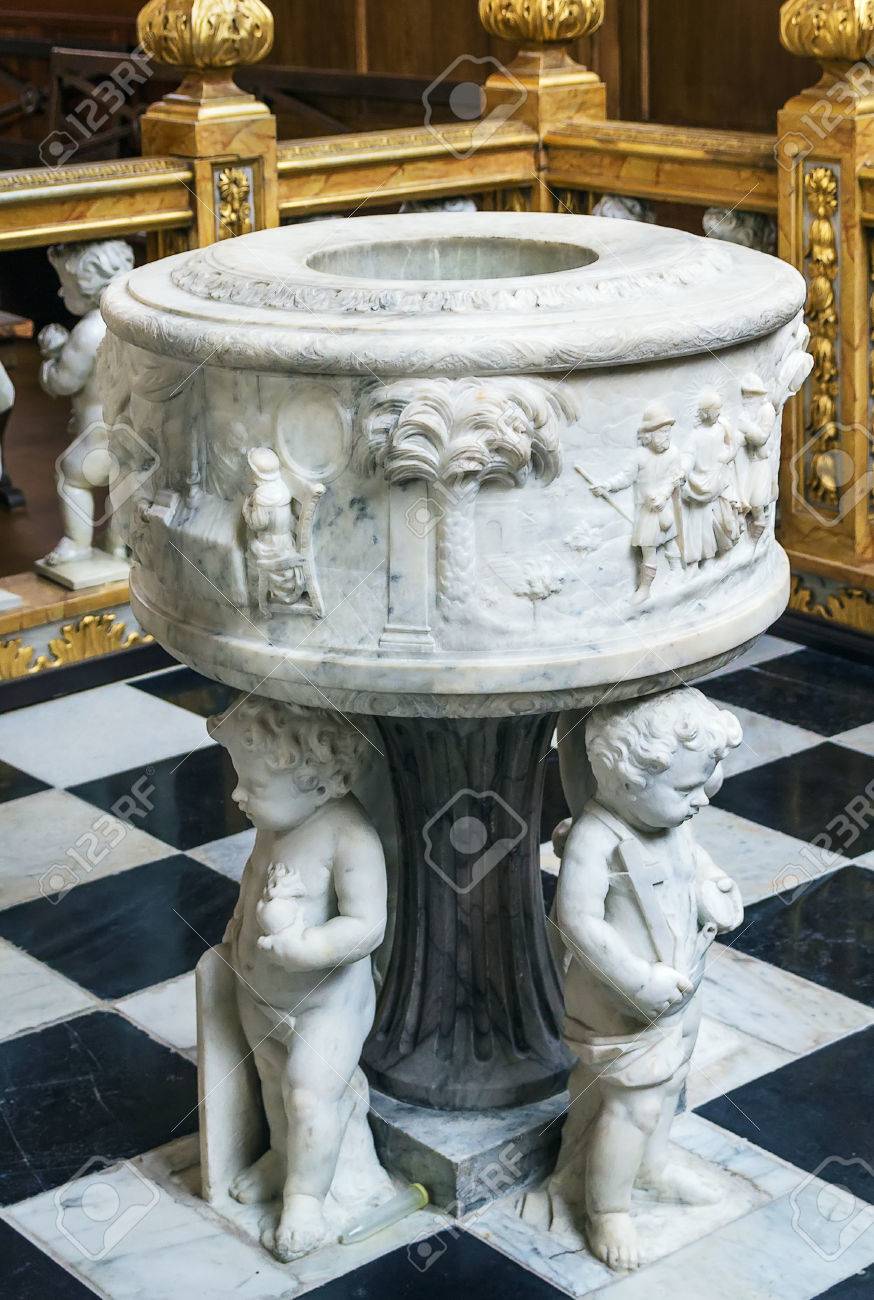
Church of Our Saviour is a baroque church in Copenhagen, Denmark. Baptismal font detail


Johanna en Guatemala


"Ali Baba"


Jordan


Chess:  "Sésamo" "Sesame" "Mark Twain"  "Zacatecas" "Ajonjolí" "St. Petersburg" "Guatemala" "Soy" "CNP" "Baptism" "Michael Jordan" "Denmark""Ali Baba"

Tuesday, January 20, 2015

El Álamo

El Álamo
Denmark
House of Tiles 
Lernaean Hydra
Baptists

Psalm 30:1
 [[A Psalm and Song at the dedication of the house of David.]] I will extol thee, O LORD; for thou hast lifted me up, and hast not made my foes to rejoice over me.


Denmark


Sounion, Athens, Greece


 El Alamo, San Antonio, texas


El Alamo, San Antonio, Texas


Candice Swanepoel in Costa Rica

Chess:  "El Álamo" "Denmark" "House of Tiles " "Lernaean Hydra" "Baptists"


  House of the Tiles


Lernaean Hydra: 

In Greek mythology, the Lernaean Hydra (Greek: Λερναῖα Ὕδρα) was an ancient serpent-like water monster with reptilian traits. It possessed many heads – the poets mention more heads than the vase-painters could paint – and for each head cut off it grew two more 'Cut off one head, Two more shall take it's place'. It had poisonous breath and blood so virulent that even its tracks were deadly.[1] The Hydra of Lerna was killed by Heracles as the second of his Twelve Labours. Its lair was the lake of Lerna in the Argolid, though archaeology has borne out the myth that the sacred site was older even than the Mycenaean city of Argos since Lerna was the site of the myth of the Danaids. Beneath the waters was an entrance to the Underworld, and the Hydra was its guardian.[2]

The Hydra was one of the offspring of Typhon and Echidna (Theogony, 313), both of whom were noisome offspring of the earth goddess Gaia.[3]


Wednesday, September 18, 2013

Denmark

Botafogo
Spitfire
Denmark
Falkland Islands
Prov.23:21
"For the drunkard and the glutton shall come to poverty: and drowsiness shall clothe a man with rags."


 Egeskov Castle (Danish: Egeskov Slot) is located in the south of the island of Funen, Denmark. The castle is Europe's best preserved Renaissance water castle.


Supermarine Spitfire Mk.VXIe "TE184" by Christian Bramkamp

Chess:  "Denmark" "Falkland Islands" "Botafogo" "Spitfire"

Wednesday, February 18, 2009

To be or not to be


"Moab"
"Denmark"
"Kuna Yala"

"Shaquille O'Neal"

Psalm 60:8
" Moab is my washpot; over Edom will I cast out my shoe: Philistia, triumph thou because of me."


A New Day
Creative Challenge Winner: Black History Month


Chess: "Factor" "Factorization" "Baptism" "Denmark" "Fruit Loops" "Sven Goran Eriksson" "Kuna Yala" "Cundinamarca" "Toucan Sam" "Shaquille O'neal"

News from the Library of Congress


February 11, 2009

Kuna Indians of Panama Subject of Symposium at the Library of Congress on Feb. 27

Known worldwide for their popular textiles, the colorful "molas" or clothing, the Kuna Indians live mainly in the San Blas Islands off the coast of Panama. Less well known is the rich history and oral tradition of this important Caribbean civilization.
The Library of Congress Hispanic Division, in cooperation with the Embassy of Sweden and the University of Maryland, convenes a symposium, "The Kuna and Anthropology: A Century of Engagement," on Friday, February 27, from noon to 2 p.m. in the Mary Pickford Theater, third floor of the James Madison Building, 101 Independence Avenue, S.E., Washington. D.C. The event is free and open to the public.
In 1931 Kuna Indian Rubén Pérez Kantule traveled to the Ethnographic Museum in Goteborg, Sweden, where he spent six months interpreting the Kuna collections and collaborating with anthropologist Erland Nordenskiold, who was a pioneer fieldworker in the modern tradition of social anthropology.
The fascinating Spanish-language diary kept by Kantule during his research is a sort of reverse ethnography, an Indian writing about the scientists in Sweden in their "museum village." Currently, the manuscript is being prepared for translation into English, as well as publication and digitization by a team of American and Swedish scholars.
Keynote speaker at the symposium is Kuna scholar James Howe, a professor at the Massachusetts Institute of Technology, who will discuss Kuna anthropology. Magnus Dahlbring, formerly with the World Cultures Museum in Goteborg, Sweden, will offer commentary. Tito Pérez Quintero, son of the late Kantule, participates in a panel discussion with Howe, Dahlbring, Janet Charnela of the University of Maryland and Edgardo Krebs of the Smithsonian Institution.
The Library of Congress, the nation’s oldest federal cultural institution, is the world’s preeminent reservoir of knowledge, providing unparalleled collections and integrated resources to Congress and the American people. Many of the Library’s rich resources and treasures may also be accessed through the Library’s Web site at www.loc.gov and via interactive exhibitions on a new, personalized Web site at myLOC.gov.
The Hispanic Division, established in 1939, is the Library’s center for the study of the cultures and societies of Latin America, the Caribbean, the Iberian Peninsula and other areas where Spanish and Portuguese influences have been significant. The collections comprise more than 12 million items about the Luso-Hispanic world, including several hundred scholarly books and articles relating to the Kuna Indians. For more information about the Hispanic division visitwww.loc.gov/rr/hispanic/.
# # #
PR 09-026
02/11/09

ISSN 0731-3527

Eriksson:
An interesting addition: The Baron Erland Nordenskjold, of Goteburg University in Sweden, investigated and found that up to 80 commonly used Kuna words are either exactly or similar to ancient Norse. Some Kuna traditional historians make a link to the Vikings who may have visited the Kuna thousands of years ago.

Kuna (people)

Kuna or Cuna is the name of an indigenous people of Panama and Colombia. The spelling Kuna is currently preferred. In the Kuna language, the name is Dule or Tule, meaning "people," and the name of the language in Kuna is Dulegaya, meaning "people-talk."
The Kuna are often mistakenly identified as being related to the extinct Cundara people. They have some of the same traditions but have a totally different background.
The Kuna live in three politically autonomous comarcas or reservations in Panama, and in a few small villages in Colombia. There are also communities of Kuna people in Panama City, Colón, and other cities. The greatest number of Kuna people live on small islands in the comarca of Kuna Yala. The other two Kuna comarcas in Panama are Kuna de Madugandí and Kuna de Wargandí.
Kuna families are matrilinear and to some extent a matriarchy. After marriage, the bridegroom must live in his mother-in-law's house and work for his father-in-law.

Economy

The economy of Kuna Yala is based on agriculture and fishing, with a long tradition of international trade. Plantains, coconuts, and fish form the core of the Kuna diet, supplemented with imported foods, a few domestic animals, and wild game. Coconuts, called ogob in the Kuna language, and lobsters are the most important export products, and migrant labor and the sale of molas provide other sources of income. Most imported goods originate from Colombian ships and are sold in retail stores owned by Kuna people. Tourism is an important part of the economy in the Carti region, and abandoned goods from the drug trade provide occasional windfalls.
The Kuna are famous for their molas, a colorful textile art form made with the techniques of applique and reverse appliqué. Mola panels are used to make the blouses of the Kuna women's national dress, which is worn daily by many Kuna women. Mola means "clothing" in the Kuna language. The Kuna word for a mola blouse is Tulemola, (or "dulemola") "Kuna people's clothing."

History


The Kunas were living in what is now Colombia at the time of the Spanish invasion, and only later began to move westward towards what is now Kuna Yala. Centuries before the conquest, the Kunas arrived in South America as part of a Chibchan migration moving east from Central America. At the time of the Spanish invasion, they were living in the region of Uraba and near the borders of what are now Antioquia and Caldas. Alonso de Ojeda and Vasco Nunez de Balboa explored the coast of Colombia in 1500 and 1501. They spent the most time in the Gulf of Uraba, where they made contact with the Kunas.
In far Eastern Kuna Yala, the community of New Caledonia is near the site where Scottish explorers tried, unsuccessfully, to establish a colony in the "New World". The bankruptcy of the expedition was one of the causes of the loss of sovereignty over their own lands, to the British.
There is a wide consensus regarding the migrations of Kunas from Colombia and the Darien towards what is now Kuna Yala. These migrations were caused partly by wars with the Catio people, but some sources contend that they were mostly due by bad treatment by the Spanish invaders. The Kuna themselves attribute their migration to Kuna Yala to conflicts with the native peoples, and their migration to the islands to the excessive mosquito populations on the mainland.
During the first decades of the twentieth century, the Panamanian government attempted to suppress many of the traditional customs. This was bitterly resisted, culminating in a short-lived yet successful revolt in 1925, led by Iguaibilikinya Nele Kantule of Ustupu and a treaty in which the Panamanians agreed to give the Kuna some degree of cultural autonomy.

Albinism

he Kuna have a very high incidence rate of Albinism. In Kuna mythology, Albinos were given a special place.[3] The Kuna Albinos are considered a special race of people, and have the specific duty of defending the Moon against a "dragon" which tries to eat it on occasion...the Eclipse. Only they are allowed outside on the night of an Eclipse and use specially made bows and arrows to shoot down the dragon. In the 1920s, an American adventurer explored the Kuna area looking for the albino indians. Richard Marsh also helped organize the Tule Revolution of 1925. He wrote about his adventures in a book.
An interesting addition: The Baron Erland Nordenskjold, of Goteburg University in Sweden, investigated and found that up to 80 commonly used Kuna words are either exactly or similar to ancient Norse. Some Kuna traditional historians make a link to the Vikings who may have visited the Kuna thousands of years ago.