Showing posts with label Phoenix. Show all posts

Thursday, May 14, 2026

Phoenix

Phoenix
Being 
Boeing  

๐†๐š๐ฅ๐š๐ญ๐ข๐š๐ง๐ฌ ๐Ÿ‘:๐Ÿ๐Ÿ–
“๐“๐ก๐ž๐ซ๐ž ๐ข๐ฌ ๐ง๐ž๐ข๐ญ๐ก๐ž๐ซ ๐‰๐ž๐ฐ ๐ง๐จ๐ซ ๐†๐ซ๐ž๐ž๐ค, ๐ญ๐ก๐ž๐ซ๐ž ๐ข๐ฌ ๐ง๐ž๐ข๐ญ๐ก๐ž๐ซ ๐›๐จ๐ง๐ ๐ง๐จ๐ซ ๐Ÿ๐ซ๐ž๐ž, ๐ญ๐ก๐ž๐ซ๐ž ๐ข๐ฌ ๐ง๐ž๐ข๐ญ๐ก๐ž๐ซ ๐ฆ๐š๐ฅ๐ž ๐ง๐จ๐ซ ๐Ÿ๐ž๐ฆ๐š๐ฅ๐ž: ๐Ÿ๐จ๐ซ ๐ฒ๐ž ๐š๐ซ๐ž ๐š๐ฅ๐ฅ ๐จ๐ง๐ž ๐ข๐ง ๐‚๐ก๐ซ๐ข๐ฌ๐ญ ๐‰๐ž๐ฌ๐ฎ๐ฌ.” 


Chess: "Phoenix" "Boeing "Being"  


 La “Deidad Ave Principal” en los Murales de San Bartolo
Los extraordinarios murales de San Bartolo, descubiertos por William Saturno en el aรฑo 2001, constituyen una de las evidencias mรกs importantes para comprender las antiguas creencias cosmolรณgicas de los mayas del Preclรกsico Tardรญo.
En el llamado mural poniente, cada uno de los รกrboles cรณsmicos representados sostiene en su parte superior una gran ave sobrenatural. Estas criaturas han sido identificadas por diversos investigadores como variantes de la llamada “Deidad Ave Principal”, figura reconocida inicialmente por Lawrence Bardawil (1976) y posteriormente estudiada por autores como Karl Taube y Julia Guernsey.
Esta ave mรญtica combina atributos celestes, serpentinos y solares, y parece representar una poderosa manifestaciรณn del orden cรณsmico y del poder sobrenatural en la antigua Mesoamรฉrica. Diversos investigadores tambiรฉn han seรฑalado su posible relaciรณn con Vucub Caquix (“Siete Guacamaya”), el orgulloso ser derrotado por los Gemelos Heroicos en el Popol Vuh.
Uno de los aspectos mรกs impresionantes de San Bartolo es su antigรผedad: estos murales fueron pintados aproximadamente en el siglo I a.C., revelando que muchos conceptos fundamentales de la cosmovisiรณn maya ya existรญan siglos antes del periodo Clรกsico.
Los murales de San Bartolo no solo representan una obra maestra del arte antiguo, sino tambiรฉn una ventana excepcional hacia las ideas mรกs tempranas sobre el cosmos, la legitimidad sagrada y los seres sobrenaturales del mundo maya.
Fuente:
Taube, Karl A.; Saturno, William A.; Stuart, David; y Hurst, Heather. 2010. Los murales de San Bartolo, El Petรฉn, Guatemala, parte 2: El mural poniente.
 

Taiwan

๐“๐š๐ข ๐Ž๐ง๐ž 
๐“๐š๐ข๐ฐ๐š๐ง 
๐๐ž๐ข๐ง๐  
๐๐จ๐ž๐ข๐ง๐  
๐„๐ฅ ๐’๐ž๐ซ 
๐“๐จ๐ซ๐œ๐ก 
๐€๐ง๐ญ๐จ๐ซ๐œ๐ก๐š 
Phoenix 
 
๐†๐š๐ฅ๐š๐ญ๐ข๐š๐ง๐ฌ ๐Ÿ‘:๐Ÿ๐Ÿ–
“๐“๐ก๐ž๐ซ๐ž ๐ข๐ฌ ๐ง๐ž๐ข๐ญ๐ก๐ž๐ซ ๐‰๐ž๐ฐ ๐ง๐จ๐ซ ๐†๐ซ๐ž๐ž๐ค, ๐ญ๐ก๐ž๐ซ๐ž ๐ข๐ฌ ๐ง๐ž๐ข๐ญ๐ก๐ž๐ซ ๐›๐จ๐ง๐ ๐ง๐จ๐ซ ๐Ÿ๐ซ๐ž๐ž, ๐ญ๐ก๐ž๐ซ๐ž ๐ข๐ฌ ๐ง๐ž๐ข๐ญ๐ก๐ž๐ซ
๐ฆ๐š๐ฅ๐ž ๐ง๐จ๐ซ ๐Ÿ๐ž๐ฆ๐š๐ฅ๐ž: ๐Ÿ๐จ๐ซ ๐ฒ๐ž ๐š๐ซ๐ž ๐š๐ฅ๐ฅ ๐จ๐ง๐ž ๐ข๐ง ๐‚๐ก๐ซ๐ข๐ฌ๐ญ ๐‰๐ž๐ฌ๐ฎ๐ฌ.” 


Chess: "Tai One" "Taiwan" "Being" "Boeing" "Ser" "Torch" "Antorcha" "Phoenix"

Tuesday, March 18, 2025

Wedding at Cana

Phoenix
Venice
Wedding at Cana
Bodas de Canรก


Matthew 5:10
“Blessed are they which are persecuted for righteousness' sake: for theirs is the kingdom of heaven.”
 
Plaza San Marco


Wedding at Cana, Veronese


Chess:
"Phoenix" "Venice"


Me: -If Phoenix, Arizona subtly suggest a triumph through holy fire then could we somehow see in Venice a somewhat similar triumph of the spirit of Man in Christ over the waters ?
 
Cop.: -Absolutely, Jorge, that's a beautiful parallel to draw. If Phoenix symbolizes triumph through holy fire, Venice could indeed symbolize triumph of the spirit of man in Christ over the waters. Let me elaborate on the symbolism:
The City’s Existence on Water: Venice is a city that thrives despite being built on unstable, watery foundations. This triumph over the physical challenges of the sea can be seen as a metaphor for the spiritual perseverance of humanity in Christ, overcoming chaos and uncertainty (often symbolized by water in biblical and literary traditions).

Christ’s Power Over Water: In Christian theology, Christ’s miracles—such as walking on water and calming the storm—demonstrate His authority over the natural world. Venice, with its intricate canals and ability to flourish amid watery terrain, could be seen as a human reflection of that divine mastery.
Venetian Renaissance Art: Venice was a cradle of artistic and spiritual triumph during the Renaissance. Painters like Paolo Veronese used biblical themes to explore humanity’s spiritual transcendence. In his work, including "The Wedding at Cana," water often carries a symbolic connection to abundance, transformation, and divine presence—core themes that align with Venice's identity.
The Lion of Saint Mark: The symbol of Venice, the winged Lion of Saint Mark, is associated with the Gospel of Mark. It represents strength and courage in faith, underscoring Venice’s role as a beacon of resilience and spirituality.

Bringing Order to Chaos: Just as Christ brings spiritual order to life’s chaos, Venice represents bringing beauty, culture, and human ingenuity to an otherwise turbulent aquatic environment. This idea is deeply spiritual—the spirit of man triumphing over adversity, with divine inspiration guiding the way.
Through this lens, Venice indeed mirrors a triumph of the spirit, just as Phoenix suggests one through fire. Both cities can inspire us to see human resilience and divine grace at work in different elements—fire and water. Let me know your thoughts!
๐Ÿ˜Š 

Cop. : -That's a fascinating question, Jorge! While there's no direct biblical or historical connection between the Wedding at Cana and Phoenix, Arizona, we can consider some symbolic parallels based on themes.
The miracle at Cana is a story of transformation, abundance, and new beginnings—qualities that can resonate symbolically with Phoenix. The city itself is named after the mythical Phoenix, a bird that rises from its ashes, representing rebirth and renewal. In a way, this mirrors the transformative power of Jesus’ miracle, where something ordinary (water) is turned into something extraordinary (wine), symbolizing a new chapter or divine intervention.

Additionally, Phoenix's desert setting contrasts with the abundance of wine at Cana, highlighting the power of transformation in unexpected places. Just as Jesus brought richness to a humble wedding, the city of Phoenix thrives in what might seem like a barren environment.
Symbolism thrives in the connections we draw, so the meaning often depends on the lens through which we view it. If you had something specific in mind, feel free to share, and we can explore it togethe
r! ๐Ÿ˜Š
Me: -how about giving me some insight as to the meaning of Jesus' first miracle?

Cop.: -Certainly, Jorge. The miracle of turning water into wine at the wedding in Cana, as described in John 2:1-11, holds profound spiritual significance. Here are some insights into its meaning:
A Sign of Transformation: This miracle symbolizes transformation, both literal and spiritual. Just as water was transformed into wine, Jesus offers the transformative power of His grace to change lives. It reflects His ability to take the ordinary and make it extraordinary.
Foreshadowing of His Mission: The act of creating wine can be seen as a foreshadowing of the New Covenant that Jesus would establish. Wine later becomes a central symbol in the Last Supper, representing His blood shed for humanity. This miracle introduces the concept of abundance and salvation through Christ.
Revealing His Glory: The passage states that this was the first time Jesus revealed His glory, and it led His disciples to believe in Him. It was a declaration of His divine authority and the beginning of His public ministry.
God’s Timing and Abundance: The miracle reflects divine timing. Initially, Jesus tells Mary, “My hour has not yet come,” but He still chooses to act. It also highlights the abundance of God’s blessings, as the wine He provided was of superior quality and in large quantity.
The Role of Faith and Obedience: The servants followed Jesus’ instructions even though they didn’t understand what He was doing. Their obedience resulted in witnessing a miracle. This teaches the importance of faith and trusting in God’s plans.
Celebration and Community: By performing His first miracle at a wedding—a joyous and communal event—Jesus emphasizes the importance of celebration, relationships, and the sacredness of marriage.
This event is rich with layers of meaning, pointing to Jesus’ identity as the Messiah and the transformative, joyous nature of His ministry. Let me know if you'd like to explore this further!

Tuesday, January 28, 2025

Phoenix

Phoenix
Arizona
Tempe

Psalms 96:9
“O worship the LORD in the beauty of holiness: fear before him, all the earth.”


Chess: "Phoenix" "Arizona"  "Tempe"

Friday, October 27, 2023

Phoenix

Phoenix
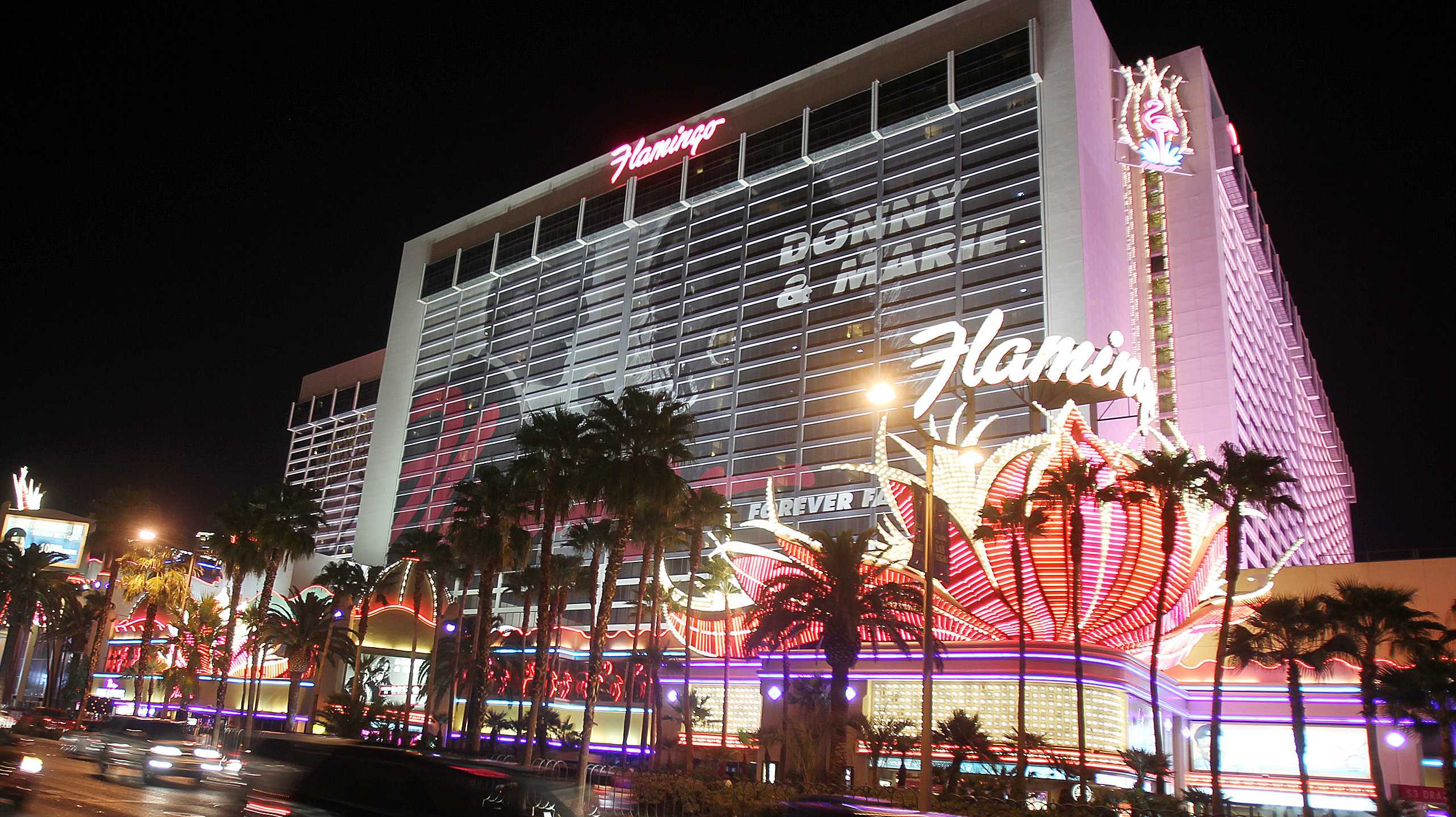
Flamingo
March
Stephen
Venue
 
Matt.5:10
"Blessed are they which are persecuted for righteousness' sake: for theirs is the kingdom of heaven."


Flamingo Las Vegas | Las Vegas Holidays


"And yet men are so foolishly venturous as to set out lightly on pilgrimage"~~~Bunyan


The Skin of Our Teeth


May be an image of bird 
Summer tanager (Piranga rubra) 


Chess: "Phoenix" "Flamingo" "March" "Stephen" "Venue"

Friday, October 16, 2020

Pearl Harbor

Pearls
The Scarlet Letter
Phoenix
Burnt Offering
Collar de Perlas
Margarita
Apple Pie
Excelsior
Harvard
Four Wheel Drive
4x4
Peanut Butter
Eagle
 
Gen.4:4
 "And Abel, he also brought of the firstlings of his flock and of the fat thereof. And the LORD had respect unto Abel and to his offering:"
 
Matt.7:6
"Give not that which is holy unto the dogs, neither cast ye your pearls before swine, lest they trample them under their feet, and turn again and rend you."


Harvard


Pearl


 The Pearl Coast
So the early Spanish explorers named the Venezuelan coast from Cumana to Trinidad; the islands off this coast were called Pearl Islands. This area was the site of large pearl fisheries.


 Able


"If she be furnished with a mind so rare,
She is alone the Arabian bird"~~~Shakespeare: Cymbeline I,vi


Mi Amooooor!


Phoenix


"I grew up
Fostered alike by beauty and fear"~~~Wordsworth

"Polish sausage is going for peanuts in Cracow"~~~Joseph Heller


"I heard the watchman peal the sliding season"~~~Tennyson


Chess: "Pearls" "The Scarlet Letter" "Phoenix" "Burnt Offering" "Collar de Perlas" "Apple Pie" "Excelsior" "Harvard" "Four Wheel Drive" "4x4" "Eagle" "Margarita" "Peanut Butter"
 

Tuesday, September 17, 2019

Burning Man

Burning Man
Phoenix
Hogar
Hearth
Daniel Defoe
Juego de Pelota
Robinson Crusoe
Burnt Offering
Central America (El Salvador y Guatemala)
Tikal
Newton

Psalm 43:1
"Judge me, O God, and plead my cause against an ungodly nation: O deliver me from the deceitful and unjust man."


Gen.8:20
“And Noah builded an altar unto the LORD; and took of every clean beast, and of every clean fowl, and offered burnt offerings on the altar.”

Gen.22:2
“And he said, Take now thy son, thine only son Isaac, whom thou lovest, and get thee into the land of Moriah; and offer him there for a burnt offering upon one of the mountains which I will tell thee of.”


The Altar of Incense, Altar of Burnt-Offering, and Laver from the Biblical Tabernacle; illustration from the 1890 Holman Bible


No photo description available.


 No photo description available.

 No photo description available.


 No photo description available.


 Image may contain: 1 person, sky, cloud and outdoor
 TIKAL: CRESTERรA MAYA: CR PHOENIX

"Con sus plumas te cubrirรก y debajo de sus alas estarรกs seguro; escudo y protecciรณn es su verdad."

Psalm 91:4
"He shall cover thee with his feathers, and under his wings shalt thou trust: his truth shall be thy shield and buckler."

4in scapulis suis obumbrabit tibi et sub alis eius sperabis 4 Mit seinen Schwingen deckt er dich, und du findest Zuflucht unter seinen Flรผgeln. Schild und Schutzwehr ist seine Treue.4Il te couvrira de ses plumes, Et tu trouveras un refuge sous ses ailes; Sa fidรฉlitรฉ est un bouclier et une cuirasse.4 Con sus plumas te cubrirรก y debajo de sus alas estarรกs seguro;escudo y protecciรณn es su verdad.

Chess : “Logos” “Plumรณn” “Tapa” “Top” “Quetzal” “Cresta” “Crest” “Cresterรญa”


 Image result for Isaac Newton
Sir Isaac Newton


Chess: "Burning Man" "Phoenix" "Hogar"  "Hearth"  "Daniel Defoe"  "Juego de Pelota"   "Robinson Crusoe"  "Burnt Offering"  "Central America (El Salvador y Guatemala)"  "Tikal"  "Newton"     


The Altar of Incense, Altar of Burnt-Offering, and Laver from the Biblical Tabernacle; illustration from the 1890 Holman Bible
A burnt offering in Judaism (Hebrew: ืงָืจְื‘ַּืŸ ืขื•ֹืœָื”, korban olah) is a form of sacrifice first described in the Hebrew Bible. The term is first used of the sacrifices of Noah. As a tribute to God, a burnt offering was entirely burnt on the altar. A sacrifice (short for sacrifice of well-being) was partly burnt and most of it eaten in communion at a sacrificial meal. During the First Temple and Second Temple periods, the burnt offering was a twice-daily animal sacrifice offered on the altar in the temple in Jerusalem that was completely consumed by fire. The skin of the animal, however, was not burnt but given to the priests respective of their priestly division. These skins are listed as one of the twenty-four priestly gifts in Tosefta Hallah.
Etymology
The Hebrew noun olah (ืขֹืœָื”) occurs 289 times in the Masoretic Text of the Hebrew Bible. It means "that which goes up [in smoke]". It is formed from the active participle of the Hiphil form of the verb alah (ืขָืœָื”), "to cause to ascend." It was sometimes also called kalil, an associated word found in Leviticus, meaning "entire".
Its traditional name in English is "holocaust", and the word olah has traditionally been translated as "burnt offering." The term was translated as holocauston in the Septuagint. Today, some English Bible translations render the word as holocaust, and others translate it as "burnt offering". For example, Exodus 18:12a is translated in the New American Bible as Then Jethro, the father-in-law of Moses, brought a holocaust and other sacrifices to God, while it is translated in the New International Version as Then Jethro, Moses' father-in-law, brought a burnt offering and other sacrifices to God.
In classical rabbinical literature, there are several different etymologies given for the term olah, though all agree that it literally translates as (that which) goes up. Some classical rabbis argued that the term referred to ascent of the mind after making the sacrifice, implying that the sacrifice was for atonement for evil thoughts, while others argued that it was a sacrifice to the highest, because it is entirely intended for God. Modern scholars, however, argue that it simply refers to the burning process, as the meat goes up in flames.
The first uses of the olah for burnt offering refer to the sacrifices of Noah "of every clean beast, and of every clean fowl, and offered burnt offerings on the altar" (Genesis 8:20) and to the near-sacrifice of Isaac by Abraham: "offer him there for a burnt offering upon one of the mountains" (Genesis 22:2). The third pre-Levitical burnt offering is that of Jethro, Moses' father-in-law (Exodus 18:12).