Showing posts with label Grey's Anatomy. Show all posts

Thursday, January 9, 2020

Shell

Shell
Botticelli
Raphael
Leonardo's
Pizza Frutti di Mare
The Last Supper
Madeline
Shamrock
Share
Concha
Chacón
Sinai Medical Center
Grey's Anatomy
Doctor

Psalm28:9
"Save thy people, and bless thine inheritance: feed them also, and lift them up for ever."


"Miss Emma, I wish to God we had food in the lines to share with you."~~~James A. Michener
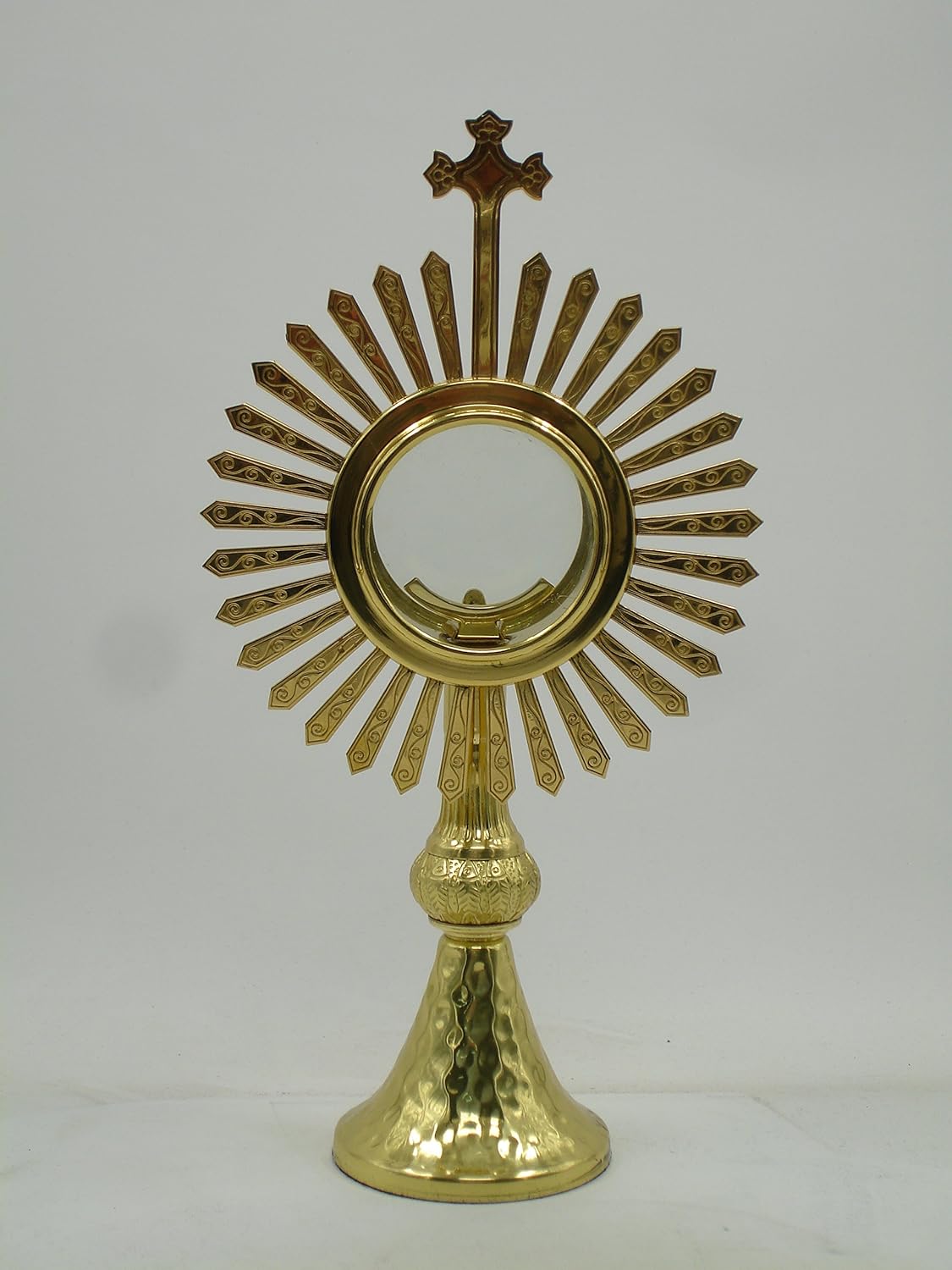


Image result for host catholic church
Transubstantiation (Latin: transsubstantiatio; Greek: μετουσίωσις metousiosis) is, according to the teaching of the Catholic Church, "the change of the whole substance of bread into the substance of the Body of Christ and of the whole substance of wine into the substance of his Blood. This change is brought about in the eucharistic prayer through the efficacy of the word of Christ and by the action of the Holy Spirit. However, the outward characteristics of bread and wine, that is the 'eucharistic species', remain unaltered."[1] In this teaching, the notions of "substance" and "transubstantiation" are not linked with any particular theory of metaphysics.


https://upload.wikimedia.org/wikipedia/commons/7/73/The_Penitent_Magdalen_MET_DT7252.jpg
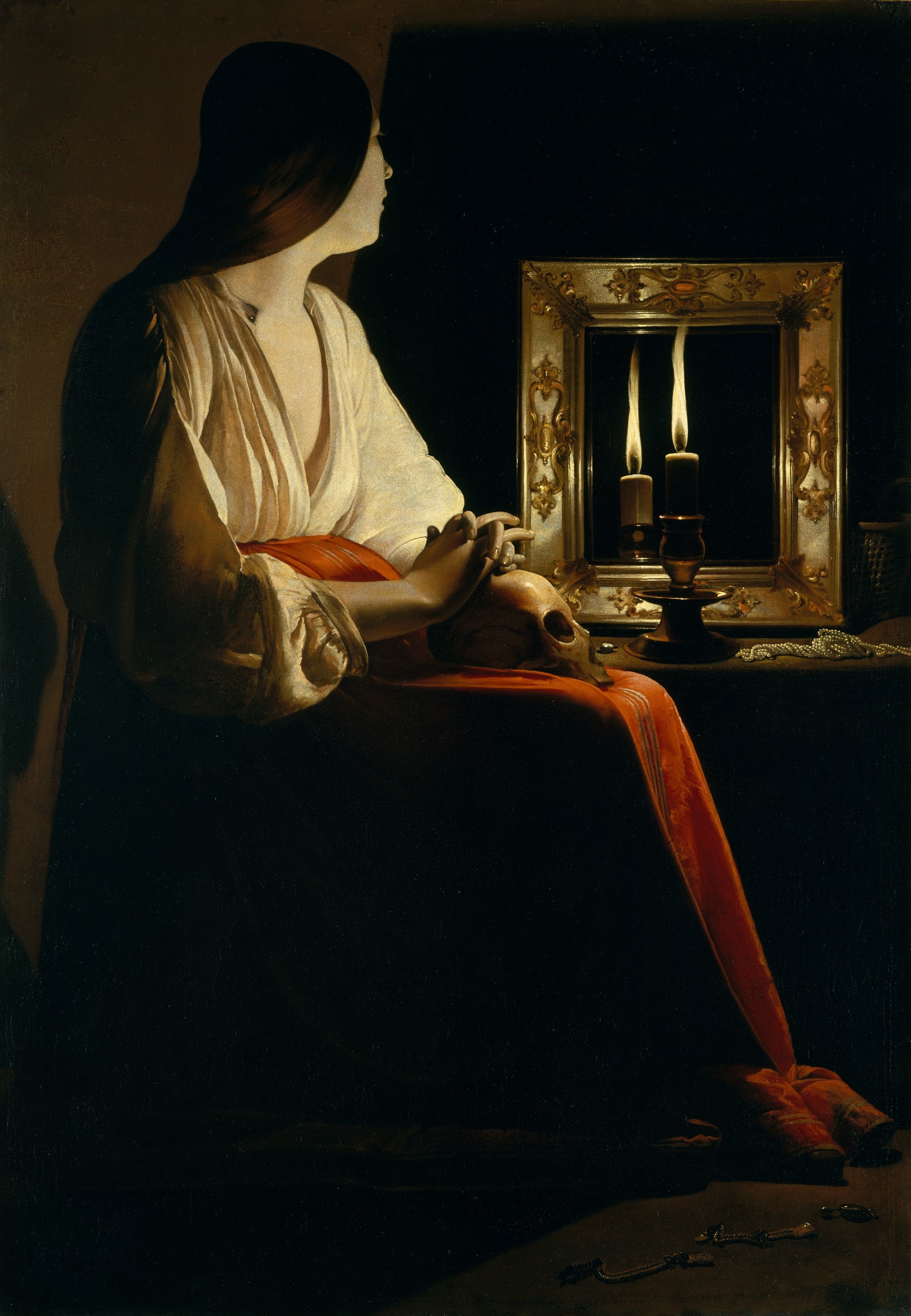
The Penitent Magdalen  
A sinner, perhaps a courtesan, Mary Magdalen was a witness of Christ who renounced the pleasures of the flesh for a life of penance and contemplation. She is shown with a mirror, symbol of vanity; a skull, emblem of mortality; and a candle that probably stands for her spiritual enlightenment. The style of La Tour, a native of the duchy of Lorraine in eastern France, is much indebted to Caravaggesque painting. The contrast of candlelight and shadow, the pure geometry of form, and the meditative mood characterize the pictures for which he is famous.


https://upload.wikimedia.org/wikipedia/commons/0/0b/Sandro_Botticelli_-_La_nascita_di_Venere_-_Google_Art_Project_-_edited.jpg
Birth of Venus, Botticelli 


 https://upload.wikimedia.org/wikipedia/commons/b/bf/V%26A_-_Raphael%2C_The_Miraculous_Draught_of_Fishes_%281515%29.jpg
The Miraculous Draught of Fishes, Raphael 


 https://upload.wikimedia.org/wikipedia/commons/0/08/Leonardo_da_Vinci_%281452-1519%29_-_The_Last_Supper_%281495-1498%29.jpg
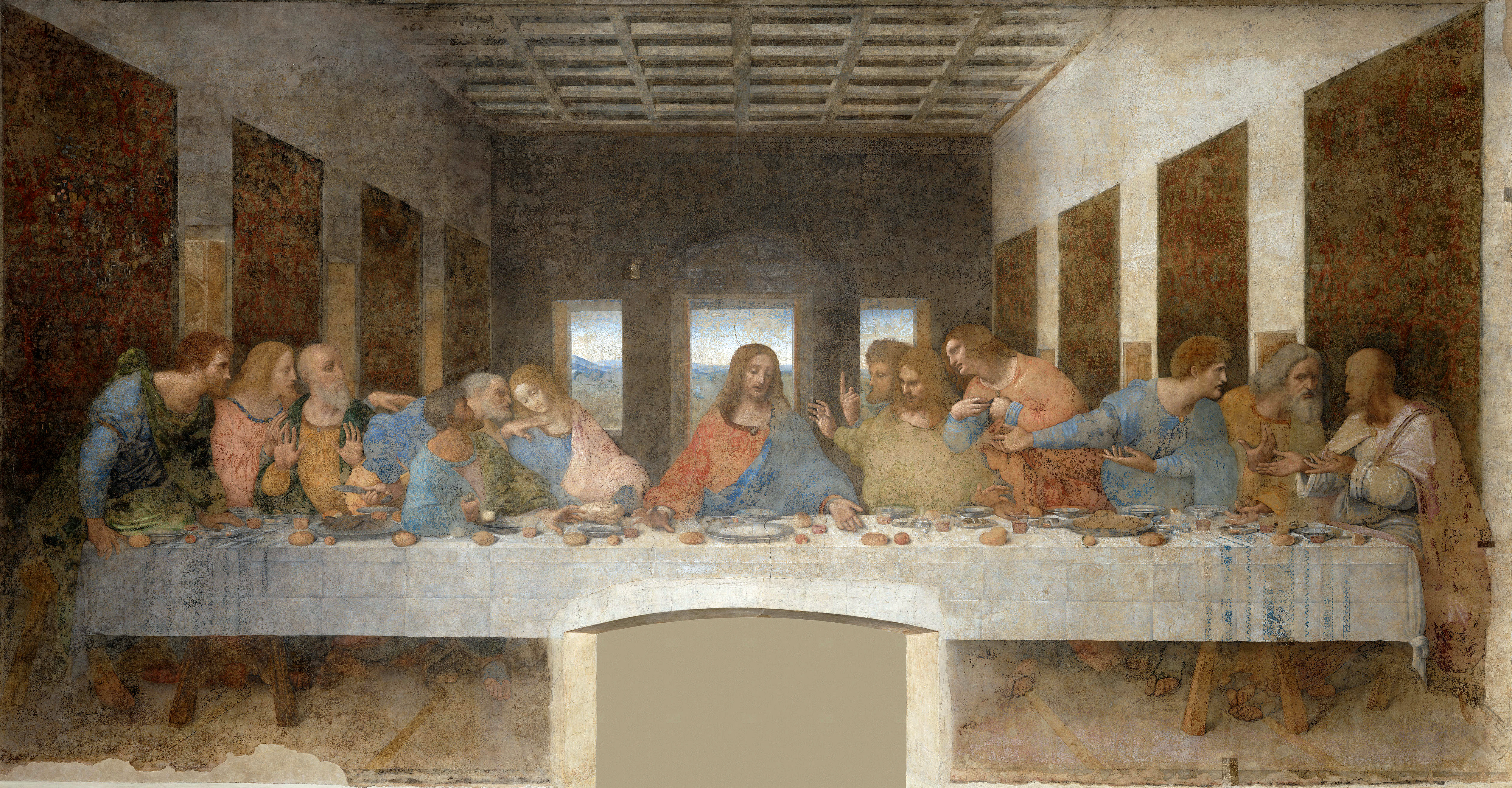
Leonardo da Vinci (1452-1519) - The Last Supper (1495-1498)
 Image may contain: pizza and food
 Pizza Frutti di Mare


Related image
 Shamrock
St. Patrick is believed to have used it as a metaphor for Christian Holy Trinity.  


Chess: "Shell" "Botticelli" "Raphael" "Leonardo's" "Pizza Frutti di Mare" "The Last Supper" "Madeline" "Shamrock" "Share" "Concha" "Chacón" "Sinai Medical Center" "Grey's Anatomy" "Doctor"

Monday, April 24, 2017

Coffee

Coffea arabica
Coffee
Coffin
Coffer
Chesterton
Grey's Anatomy

1Cor.3:16-17
"Know ye not that ye are the temple of God, and that the Spirit of God dwelleth in you?"

 "If any man defile the temple of God, him shall God destroy; for the temple of God is holy, which temple ye are."


"Because He does not take away
The terror from the tree..." ~~~CHESTERTON: A Second Childhood


"I know no ways to mince it in love, but directly to say 'I love you'"~~~SHAKESPEARE

"an elegance of mind and sweetness of character"~~~JANE AUSTEN

"I desired my dust to be mingled with yours"~~~EZRA POUND


Coffee flowers


Coffer


  Coffin


 Father Brown (Chesterton)


Chess: "Coffea arabica" "Coffee" "Coffin" "Coffer" "Chesterton" "Grey's Anatomy" "Father Brown"


Coffea arabica 

Coffea arabica is a species of Coffea originally indigenous to the forests of the southwestern highlands of Ethiopia.[1] It is also known as the "coffee shrub of Arabia", "mountain coffee", or "arabica coffee". C. arabica is believed to be the first species of coffee to be cultivated, and is by far the dominant cultivar, representing some 70% of global production.[2] Coffee produced from the less acidic, more bitter, and more highly caffeinated robusta bean (C. canephora) makes up the preponderance of the balance.


 Sobre Chesterton 
Jorge Luis Borges 


http://www.librodot.com


 Because He does not take away The terror from the tree...
CHESTERTON: A Second Childhood 

Edgar Allan Poe escribió cuentos de puro horror fantástico o de pura bizarrerie; Edgar Allan Poe fue inventor del cuento policial. Ello no es menos indudable que el hecho de que no combinó los dos géneros. No impuso al caballero Auguste Dupin la tarea de fijar el antiguo crimen del Hombre de las Multitudes o de explicar el simulacro que fulminó, en la cámara negra y escarlata, al enmascarado príncipe Próspero. En cambio, Chesterton prodigó con pasión y felicidad esos tours de force. Cada una de las piezas de la Saga del Padre Brown presenta un misterio, propone explicaciones de tipo demoníaco o mágico y las reemplaza, al fin, con otras que son de este mundo. La maestría no agota la virtud de esas breves ficciones; en ellas creo percibir una cifra de la historia de Chesterton, un símbolo o espejo de Chesterton. La repetición de su esquema a través de los años y de los libros (The Man who Knew Too Much, The Poet and the Lunatics, The Paradoxes of Mr. Pond) parece confirmar que se trata de una forma esencial, no de un artificio retórico. Estos apuntes quieren interpretar esa forma. Antes, conviene reconsiderar unos hechos de excesiva notoriedad. Chesterton fue católico, Chesterton creyó en la Edad Media de los prerrafaelistas (Of London, small and white, and clean), Chesterton pensó, como Whitman, que el mero hecho de ser es tan prodigioso que ninguna desventura debe eximirnos de una suerte de cómica gratitud. Tales creencias pueden ser justas, pero el interés que promueven es limitado; suponer que agotan a Chesterton es olvidar que un credo es el último término de una serie de procesos mentales y emocionales y que un hombre es toda la serie. En este país, los católicos exaltan a Chesterton, los librepensadores lo niegan. Como todo escritor que profesa un credo, Chesterton es juzgado por él, es reprobado o aclamado por él. Su caso es parecido al de Kipling, a quien siempre lo juzgan en función del Imperio Británico. Poe y Baudelaire se propusieron, como elatormentado Urizen de Blake, la creación de un mundo de espanto; es natural que su obra sea pródiga de formas del horror. Chesterton, me parece, no hubiera tolerado la imputación de ser un tejedor de pesadillas, un monstrorum artifex (Plinio, XXVIII, 2), pero invenciblemente suele incurrir en atisbos atroces. Pregunta si acaso un hombre tiene tres ojos, o un pájaro tres alas; habla, contra los panteístas, de un muerto que descubre en el paraíso; que los espíritus de los coros angélicos tienen sin fin su misma cara1 ; habla de una cárcel de espejos; habla de un laberinto sin centro; habla de un hombre devorado por autómatas de metal; habla de un árbol que devora a los pájaros y que en lugar de hojas da plumas; imagina (The Man who was Thursday, VI) que en los confines orientales del mundo acaso existe un árbol que ya es más, y menos, que un árbol, y en los occidentales, algo, una torre, cuya sola arquitectura es malvada. Define lo cercano por lo lejano, y aun por lo atroz; si habla de sus ojos, los llama con palabras de Ezequiel (1: 22) un terrible cristal, si de la noche, perfecciona un antiguo horror (Apocalipsis, 4: 6) y la llama un monstruo hecho de ojos. No menos ilustrativa es la narración How I found the Superman. Chesterton habla con los padres del Superhombre; interrogados sobre la hermosura del hijo, que no sale de un cuarto oscuro, éstos le recuerdan que el Superhombre crea su propio canon y debe ser medido por él («En ese plano es más bello que Apolo. Desde nuestro plano inferior, por supuesto...»); después admiten que no es fácil estrecharle la mano («Usted comprende; la estructura es muy otra»); después, son incapaces de precisar si tiene pelo o plumas. Una corriente de aire lo mata y unos hombres retiran un ataúd que no es de forma humana. Chesterton refiere en tono de burla esa fantasía teratológica. Tales ejemplos, que sería fácil multiplicar, prueban que Chesterton se defendió de ser Edgar Allan Poe 1Amplificando un pensamiento de Attar («En todas partes sólo vemos Tu cara»), Jalal-uddin Rumi compuso unos versos que ha traducido Rückert ( Werke, IV, 222), donde se dice que en los cielos, en el mar y en los sueños hay Uno Solo y donde se alaba a ese Único por haber reducido a unidad los cuatro briosos animales que tiran del carro de los mundos: la tierra, el fuego, el aire y el agua. Sobre Chesterton Jorge Luis Borges http://www.librodot.com Página 3 o Franz Kafka, pero que algo en el barro de su yo propendía a la pesadilla, algo secreto, y ciego y central. No en vano dedicó sus primeras obras a la justificación de dos grandes artífices góticos, Browning y Dickens; no en vano repitió que el mejor libro salido de Alemania era el de los cuentos de Grimm. Denigró a Ibsen ydefendió (acaso indefendiblemente) a Rostand, pero los Trolls y el Fundidor de Peer Gynt eran de la madera de sus sueños, the stuff his dreams were made of Esa discordia, esa precaria sujeción de una voluntad demoníaca, definen la naturaleza de Chesterton. Emblemas de esa guerra son para mí las aventuras del Padre Brown, cada una de las cuales quiere explicar, mediante la sola razón, un hecho inexplicable2 . Por eso dije, en el párrafo inicial de esta nota, que esas ficciones eran cifras de la historia de Chesterton, símbolos y espejos de Chesterton. Eso es todo, salvo que la «razón» a la que Chesterton supeditó sus imaginaciones no era precisamente la razón, sino la fe católica, o sea, un conjunto de imaginaciones hebreas supeditadas a Platón y a Aristóteles. Recuerdo dos parábolas que se oponen. La primera consta en el primer tomo de las obras de Kafka. Es la historia del hombre que pide ser admitido a la ley. El guardián de la primera puerta le dice que adentro hay muchas otras3 y que no hay sala que no esté custodiada por un guardián, cada uno más fuerte que el anterior. El hombre se sienta a esperar. Pasan los días y los años, y el hombre muere. En la agonía pregunta: «Será posible que en los años que espero nadie haya querido entrar sino yo?». El guardián le responde: «Nadie ha querido entrar porque a ti sólo estaba destinada esta puerta. Ahora voy a cerrarla». (Kafka comenta esta parábola, complicándola aún más, en el noveno capítulo de El proceso.) La otra parábola está en el Pilgrim's Progress, de Bunyan. La gente mira codiciosa un castillo que custodian muchos guerreros; en la puerta hay un guardián con un libro para escribir el nombre de aquel que sea digno de entrar. Un hombre intrépido se allega a ese guardián y le dice: «Anote mi nombre, señor». Luego saca la espada y se arroja sobre los guerreros y recibe y devuelve heridas sangrientas, hasta abrirse camino entre el fragor y entrar en el castillo. Chesterton dedicó su vida a escribir la segunda de las parábolas, pero algo en él propendió siempre a escribir la primera. 


Friday, December 21, 2012

Virginia

Virginia
Twist
Vitruvius
Leather
Curaçao
Grey's Anatomy
Solar Plexum
Chesterfield
Sector
Chest
Dead Man's Chest
Caja Fuerte
Safe
Prov.14:5
"A faithful witness will not lie: but a false witness will utter lies."


Thomas Jefferson's Monticello


 Chess: "Virginia" "Twist" "Vitruvius" "Chest" "Dead Man Chest" "Chesterfield" "Grey's Anatomy" "Sector" "Solar Plexum" "Curaçao" "Caja Fuerte" "Safe"

Friday, May 13, 2011

"Codo del Diablo"

Philip of Rothschild
Gray's Anatomy
Esófago
Anatomy of Melancholy
Mahogany
John 6:53-56 
"Then Jesus said unto them, Verily, verily, I say unto you, Except ye eat the flesh of the Son of man, and drink his blood, ye have no life in you. Whoso eateth my flesh, and drinketh my blood, hath eternal life; and I will raise him up at the last day. For my flesh is meat indeed, and my blood is drink indeed.:  He that eateth my flesh, and drinketh my blood, dwelleth in me, and I in him."
 

 On the High Line, Durango and Silverton Narrow Gage, Colorado
by Superstock
  
Chess: "Anatomy" "Grey's Anatomy" "Esófago" "Philip of Rothschild" "Codo del Diablo" "Mahogany" 


"It was full moolight when the boy mounted the deck and gave us the pilot's welcome. I could not distinguish his features, but I could see  that he was not white ; and his voice was as soft as a woman's. He took his place at the wheel, and, loading the brig with canvass, told us of the severe gales on the coast, of the fears entertained for our safety, of disasters and shipwrecks, and of a pilot who, on a night which we well remembered, had driven his vessel over a sunken reef.
      At seven o'clock the next morning we saw Balize, appearing, if there be no sin in comparing it with cities consecrated by time and venerable associations, like Venice and Alexandrea, to rise out of the water. A range of white houses extended a mile along the shore, terminated at one end by the Government House, and at the other by the barracks, and intersected by the river Balize, the bridge across which formed a picturesque object ; while the fort on a little island at the mouth of the river, the spire of a Gothic church behind the Government House, and groves of cocoanuts-trees, which at that distance reminded us of the palm-trees of Egypt, gave it an appearance of actual beauty. Four ships, three brigs, sundry schooners, bungoes, canoes, and a steamboat, were riding at anchor in the harbour ; alongside the vessels were rafts of mahogany ; far out, a negro was paddling a log of the same costly timber ;  and the government dory which boarded us when we came to anchor was made of the trunk of a mahogany tree."----John Lloyd Stephens INCIDENTS OF TRAVEL IN CENTRAL AMERICA, CHIAPAS AND YUCATAN