Tuesday, October 22, 2024

Grand Junction, Colorado

GRAND JUNCTION, COLORADO
IF AND ONLY IF
SI Y SÓLO SI
Pithagoras

1 Corinthians 15:57
“But thanks be to God, which giveth us the victory through our Lord Jesus Christ.”


"a body politique never dieth"~~~Milton

 
Grand Jucntion, Colorado
 
 "Imagination bodies forth the form of things unknown."~~~Shakespeare
 
Grand Jucntion, Colorado 

 Chess: "Pithagoras" "Grand Junction" 


What you may have noticed in this and previous chapters is in translating from English to symbolic form we often make use of our background knowledge of what is equivalent to what. That is what happens when we translate "She is here" as S but also "She's here" as S even though the two sentences have different letters; one has an apostrophe, and the other does not. When we translate conditions, we make considerable use of our background knowledge about equivalence. We make use of our knowledge that tense (past, present, future) and mood (indicative, subjunctive) is or is not important for the argument. For example, notice the subtle move from present tense to future tense in this valid argument:

If Samantha takes a car, she'll get there faster.
She will take a car.
So, she will get there faster.

"She takes" is present tensed, but "She will take" is past tensed. We ignore all this tense information when we translate the argument as

If TAKES, then FASTER.
TAKES.
So, FASTER.

It takes a good understanding of the language to know when you can ignore time information and when you cannot. You cannot ignore it in this argument:

If she takes a car, she'll get there faster, but not if she waits another five minutes.
She will take a car, but not for ten minutes.
So, she will get there faster.

No, she won't. This is invalid reasoning.

Here is another example of making use of background information. Is this argument valid?

If Samantha takes a care, she'll get there faster.
She will take a car.
So, she will get there faster.

Maybe. We said it was valid a couple of paragraphs ago, but it is valid only if we are justified in ignoring the fact that the word "she" might be referring to Abraham Lincoln's wife, and not to Samantha. Our background knowledge tells us whether we need to pay attention to this possibility or not.


Sunday, October 20, 2024

The Great Wall

THE GREAT WALL
Costa Rica
Delaware
Dell Aware
Jaguar
J. Aware
Membrane
MEMBRANA

Psalms 71:1
“In thee, O LORD, do I put my trust: let me never be put to confusion.”


Verónica 


Verónica


Laura


Chess: "The Great Wall" "Membrane" "Delaware" "Dell Aware" "Jaguar" "Ja aware" "Costa Rica"

Saturday, October 19, 2024

Friday, October 18, 2024

Quantico

1856
Quantico
Boeing
Heartbeat
Juan Santamaría


Psalms 56:4
“In God I will praise his word, in God I have put my trust; I will not fear what flesh can do unto me.”


 "The photon is the quantum of the electromagnetic field."~~~Shesblanc 😉


Chess: "Boeing" "Heartbeat" "Juan Santamaría" "1856"

American Breakfast

American Breakfast
Rio
Divine Comedy
Rio de Janeiro
Breakfast at Tiffany's
Macaws
Lapas
River 

Psalms 56:1
“Be merciful unto me, O God: for man would swallow me up; he fighting daily oppresseth me.”


“for I am merciful, saith the Lord” ~~~Jeremiah 3:12

“Your honor is accounted a merciful man.”~~~Shakespeare


American Breakfast


English Breakfast


Tico Breakfast


Rio


Rio


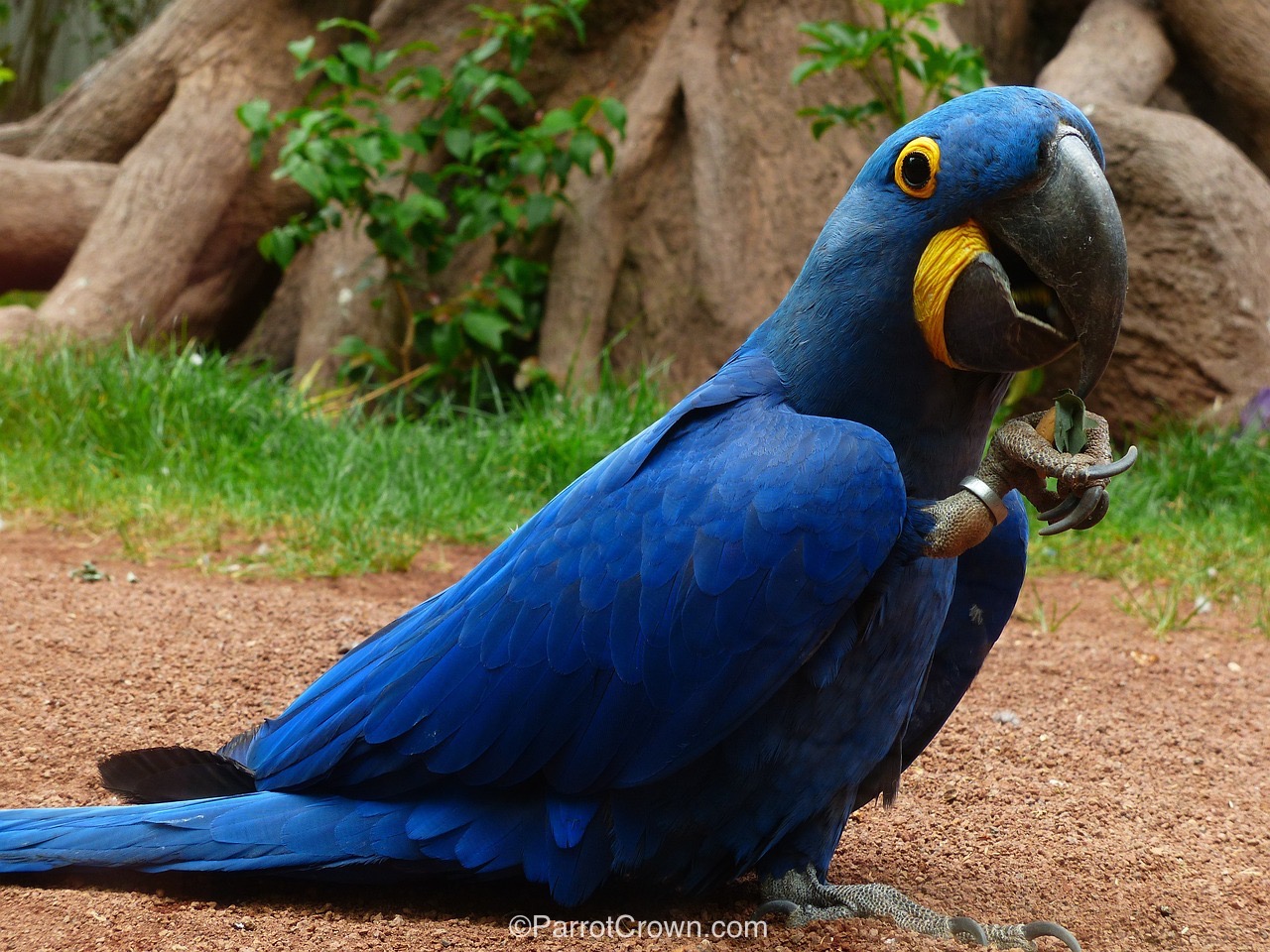
 Hyacinth Macaw Bird for sale ( Parrot ) - ParrotCrown.com


Chess: “Macaw (Anodorhynchus hyacinthinus)” “Breakfast at Tiffany's” “Lapas” “Rio” “River” "The Divine Comedy" "Rio de Janeiro"


"Anodorhynchus" is derived from Greek: "anodos" means upward, and "rhynchus" translates to beak. So it essentially means "upward beak." It's used for a genus of macaws, like the Hyacinth Macaw. Fascinating how names can be so descriptive! "Hyacinth" refers to a beautiful, fragrant flower that blooms in spring. Its name originates from the Greek word "hyakinthos," which, in mythology, was a divine youth loved by Apollo. In a tragic twist, Hyacinthus was accidentally killed, and from his spilled blood, the hyacinth flower was said to have sprung. So, "Anodorhynchus hyacinthinus" essentially translates to "Upward beak hyacinth." This name perfectly fits the Hyacinth Macaw, the largest flying parrot species, with its impressive upward-curving beak and striking hyacinth-blue plumage. Nature’s way of being both descriptive and poetic. Fascinating! The flower symbolizes rebirth and peace. Intriguing how nature and mythology intertwine, huh?

Breakfast at Tiffany's is a 1961 American romantic comedy film directed by Blake Edwards from a screenplay by George Axelrod and based on the 1958 novella of the same name by Truman Capote. It stars Audrey Hepburn, George Peppard, Patricia Neal, Buddy Ebsen, Martin Balsam, and Mickey Rooney. In the film, Holly Golightly (Hepburn), a naïve, eccentric socialite meets Paul Varjak (Peppard), a struggling writer who moves into her apartment building.


Development for the film began soon after the publication of Capote's novel, with several actors, including Marilyn Monroe, Shirley MacLaine, Kim Novak, Steve McQueen, Jack Lemmon, and Robert Wagner, considered for the lead roles prior to Hepburn and Peppard being cast. The screenplay, which deviates from Capote's novella, was originally completed by Axelrod and director John Frankenheimer, who was replaced by Edwards well into pre-production. Principal photography began on October 2, 1960, with filming taking place in New York City and at the Studios at Paramount in Hollywood, California. The film's music was composed by Henry Mancini and its theme song, "Moon River", was written by Johnny Mercer.


Breakfast at Tiffany's was released in the United States on October 5, 1961, by Paramount Pictures. It grossed $14 million worldwide and received critical acclaim for its music and Hepburn's style and performance, being nominated for five Academy Awards, including Best Actress for Hepburn, and winning two (Music Score of a Dramatic or Comedy Picture and Best Song for Mancini). The film also received numerous other accolades, although, Rooney's portrayal of I. Y. Yunioshi garnered significant subsequent controversy for being racist. In 2012, the film was preserved in the U.S. National Film Registry by the Library of Congress.
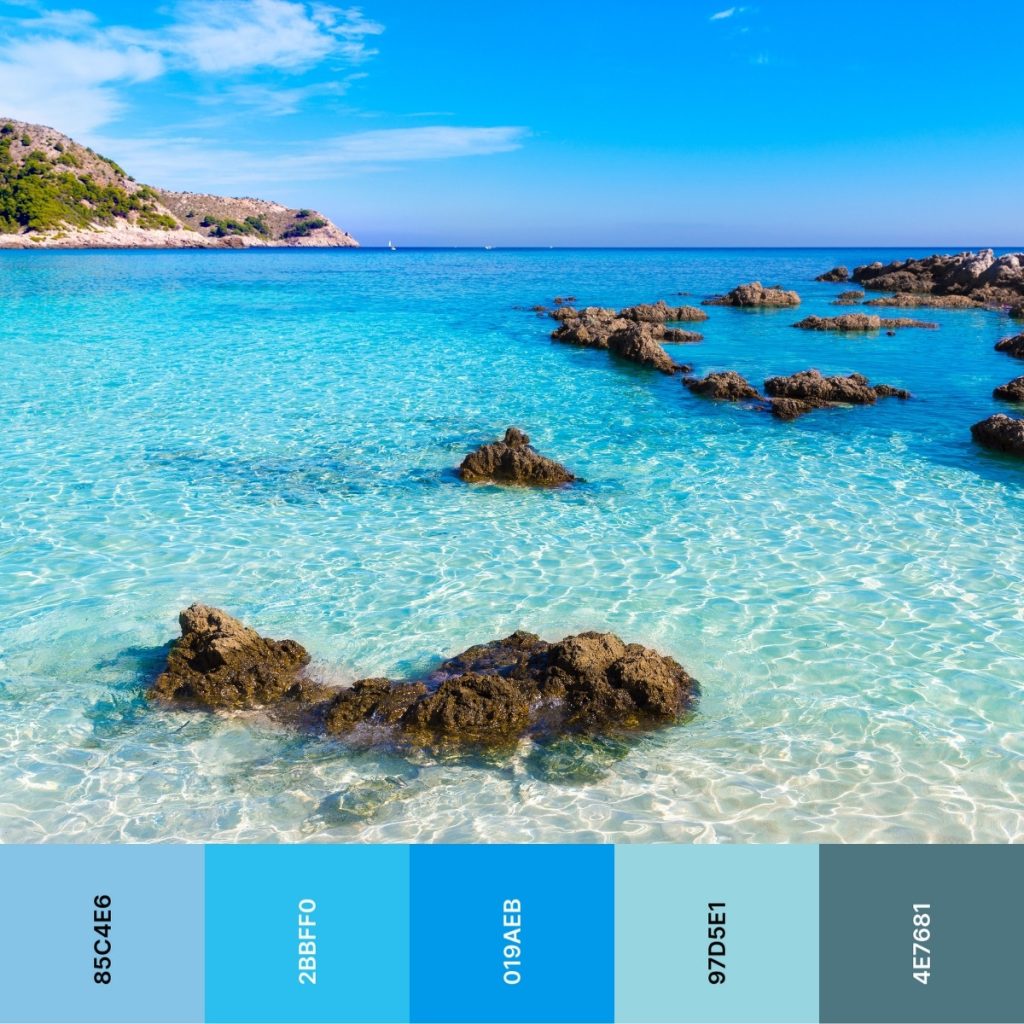

blue color palette

Blue color palette of Mallorca, Spain
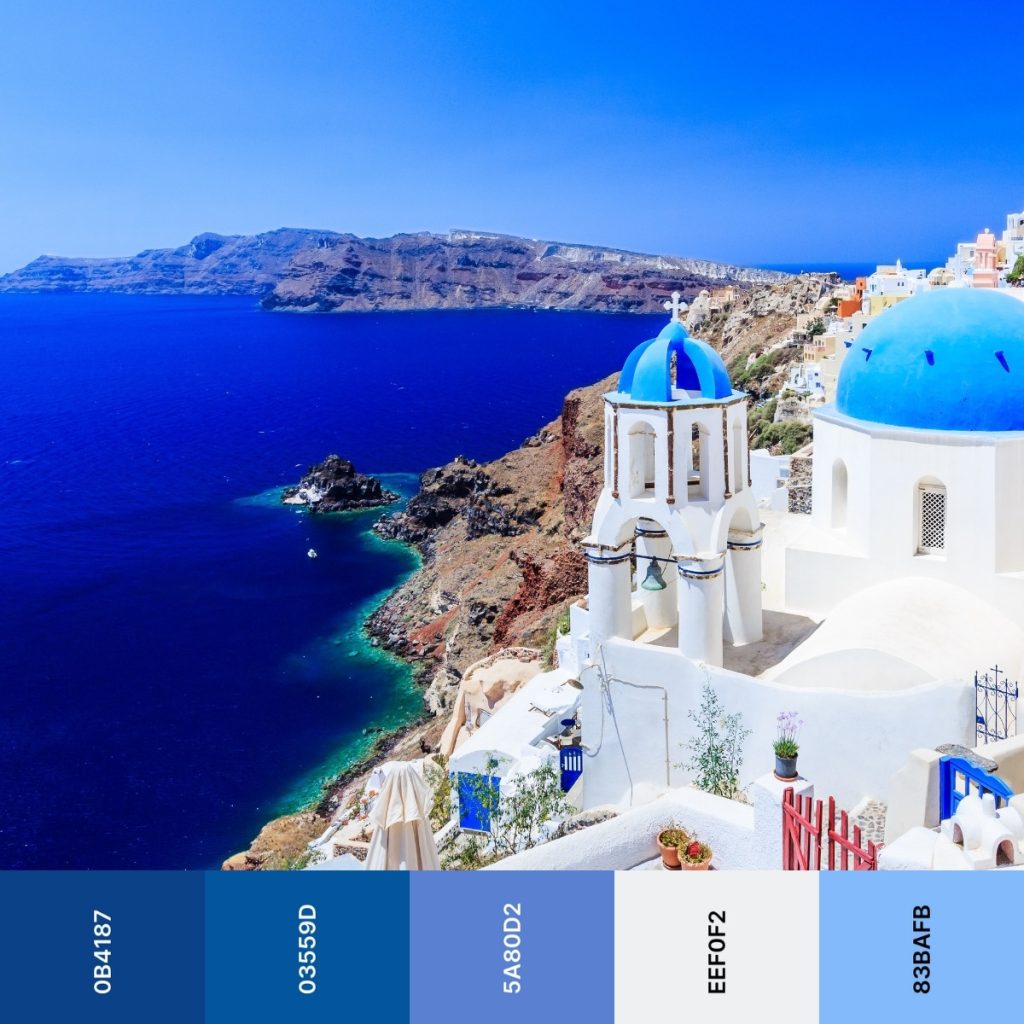


blue color palette

Blue color palette of Santorini, Greece



 blue palette colorsBlue palette colors of Maldives


LOS DODGERS GANAN LA SERIE MUNDIAL DEL 2024


(Milka and Luke Skywalker)
 
¿Por qué?
 
"Chesterton fue católico, Chesterton creyó en la Edad Media de los prerrafaelistas (Of London, small and white, and clean), Chesterton pensó, como Whitman, que el mero hecho de ser es tan prodigioso que ninguna desventura debe eximirnos de una suerte de cósmica gratitud. Tales creencias pueden ser justas, pero el interés que promueven es limitado; suponer que agotan a Chesterton es olvidar que un credo es el último término de una serie de procesos mentales y emocionales y que UN HOMBRE ES TODA LA SERIE. En este país, los católicos exaltan a Chesterton, los librepensadores lo niegan. Como todo escritor que profesa un credo, Chesterton es juzgado por él, es reprobado o aclamado por él. Su caso es parecido al de Kipling a quien siempre lo juzgan en función del Imperio Británico."~~~BORGES: Sobre Chesterton

Tuesday, October 15, 2024

The Greatest Story Ever Told
Historia
My Story
Delaware 

Psalms 56:10
“In God will I praise his word: in the LORD will I praise his word.”


“Pero antes, ... (voy de un libro a otro, mis memorias son superiores a mis pensamientos) quiero recordar el gran libro de Boecio De consolatione philosophiae, que Dante sin duda leyó o releyó, como leyó o releyó toda la literatura de la Edad Media.  Boecio, llamado el último romano, el senador Boecio, imagina un espectador de una carrera de caballos.
El espectador está en el hipódromo y ve, desde su palco, los caballos y la partida, las vicisitudes de la carrera, la llegada de uno de los caballos a la meta, todo sucesivamente.  Pero Boecio imagina otro espectador. Ese otro espectador es espectador del espectador y espectador de la carrera: es, previsiblemente, Dios. Dios ve toda la carrera, ve en un solo instante eterno, en su instantánea eternidad, la partida de los caballos, las vicisitudes, la llegada.
Todo lo ve de un solo vistazo y de igual modo ve toda la historia universal. Así Boecio salva las dos nociones: la idea del libre albedrío y la idea de la Providencia.  De igual modo que el espectador ve toda la carrera y no influye en ella (salvo que la ve sucesivamente), Dios ve toda la carrera, desde la cuna hasta la sepultura.  No influye en lo que hacemos, nosotros obramos libremente, pero Dios ya sabe —Dios ya sabe en este momento, digamos— nuestro destino final. Dios ve así la historia universal, lo que sucede a la historia universal; ve todo eso en un solo espléndido, vertiginoso instante que es la eternidad.”~~~
Borges: SIETE NOCHES. La pesadilla

Chess: "The Greatest Story Ever Told" "Historia" "My Story" "Delaware"

Monday, October 14, 2024

Greenwich

Greenwich
Hourglass
Klepsidra

Matthew 4:4
“But he answered and said, It is written, Man shall not live by bread alone, but by every word that proceedeth out of the mouth of God.”


 "With stern and austere gravity he persevered in his task"~~~Scott


"She was dry and sandy with working in the graves of deceased languages"~~~Dickens


 "For he was great, ere fortune made him so"~~~Dryden
 
 
Chess: "Greenwich" "Hourglass" "Klepsidra"

Sunday, October 13, 2024

Dewpoint

Dew
Dewpoint
Rocío
Punto Rocío
Helen of Troy
Helena de Troya
Dublin
Unicorn
Development

Psalms 139:14
“I will praise thee; for I am fearfully and wonderfully made: marvellous are thy works; and that my soul knoweth right well.”


"He admired the dexterity with which their host directed the conversation."~~~Joyce


JAMES JOYCE
Jorge Luis Borges
 
En un día del hombre están los días
del tiempo, desde aquel inconcebible
día inicial del tiempo, en que un terrible
Dios prefijó los días y agonías
hasta aquel otro en que el ubicuo río
del tiempo terrenal torne a su fuente,
que es lo Eterno, y se apague en el presente,
el futuro, el ayer, lo que ahora es mío.
Entre el alba y la noche está la historia
universal: Desde la noche veo
a mis pies los caminos del hebreo,
Cartago aniquilada, Infierno y Gloria.
Dame, Señor, coraje y alegría
para escalar la cumbre de este día.


 The showdown at Tara in 980 was like the Super Bowl of ancient Ireland. Máel Sechnaill mac Domnaill, the Irish MVP, faced off against the Norse Vikings, who had set up their Viking HQ in Dublin. Long story short: the Irish won, and the Vikings got their helmets handed to them. This wasn’t just any win—this was the one that signaled the Vikings were losing their grip on Ireland and the Gaelic Irish were back in the game. After the dust settled, Norse leader Glúniairn (also known as Járnkné, which probably sounded much cooler back then) had to admit defeat and officially acknowledge Máel Sechnaill as the High King of Ireland. And it wasn’t just a “you win, good game” situation—Glúniairn had to agree to pay up and follow Gaelic rules like a proper guest.
But wait, there’s a twist: despite the Irish win, Dublin got its official start as a Norse city in 988. Turns out, the Gaelic and Norse weren’t just enemies; they were frenemies. Dublin, originally a Viking hotspot, ended up becoming a major trading hub where these two groups mixed things up. Thanks to the peace treaty between Glúniairn and Máel Sechnaill, everyone calmed down enough for Dublin to thrive as a booming market and cultural hub. So, Dublin’s rise to city status shows that even back then, when cultures clash, sometimes they also cash in—together!


Chess: "Dew" "Dewpoint" "Rocío" "Punto Rocío" Helen of Troy" "Dublin" "Unicorn" "Development"