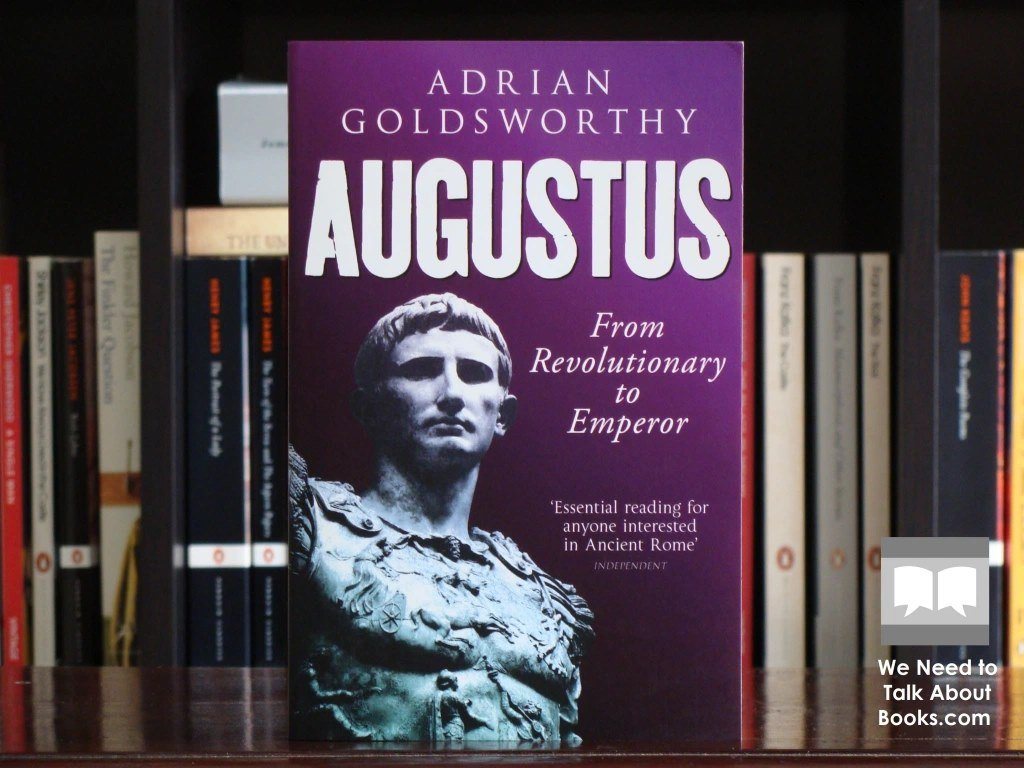
AUGUSTUS (Octavian)
8 sapiens corde praecepta suscipiet stultus caeditur labiis
Noah's Ark
Roman Road
La Calzada de Emaús
Appian Way
Octavian
Latin
Púlpito
Pulpit
Octopus
Sacbé
Lockheed-Martin
Pater Noster
Proverbs 10:8
“The wise in heart will receive commandments: but a prating fool shall fall.”
Chess: “Noah’s Ark” “Octavian” “Púlpito” “Pulpit” “Octopus” “La Calzada de Emaús” “Appian Way” “Sacbé” “Latin” "Lockheed-Martin" "Pater Noster"
Octavian, also known as Gaius Octavius and later Augustus, was the founder of the Roman Empire and its first emperor. Here are some key points about him:
Early Life:
Birth: Gaius Octavius was born on September 23, 63 BC, in Rome.
Family: He was born into the plebeian gens Octavia. His maternal great-uncle was Julius Caesar.
Rise to Power:
Adoption by Julius Caesar: After Julius Caesar's assassination in 44 BC, Octavian was named in Caesar's will as his adopted son and heir.
Second Triumvirate: Octavian formed the Second Triumvirate with Mark Antony and Marcus Lepidus to defeat Caesar's assassins.
Battle of Actium: Octavian defeated Mark Antony and Cleopatra at the Battle of Actium in 31 BC, leading to his sole rule over Rome.
Reign as Emperor:
Title of Augustus: In 27 BC, the Senate granted him the title "Augustus," marking the beginning of his reign as the first Roman emperor.
Pax Romana: Augustus' reign initiated the Pax Romana, a period of relative peace and stability across the Roman Empire.
Administrative Reforms: He implemented significant administrative, financial, and military reforms that strengthened the empire.
Legacy:
Death: Augustus died on August 19, AD 14, in Nola, Italy.
Deification: After his death, he was deified by the Roman Senate.




 Posts


