Showing posts with label Fish. Show all posts

Sunday, August 18, 2024

Fish

Fish
Corvina

Jeremiah 17:7
“Blessed is the man that trusteth in the LORD, and whose hope the LORD is.”
 
 Philippians 4:11
“Not that I speak in respect of want: for I have learned, in whatsoever state I am, therewith to be content.”
 
John 10:10
“The thief cometh not, but for to steal, and to kill, and to destroy: I am come that they might have life, and that they might have it more abundantly.”


Bottle and Fish
Georges Braque
Date: 1941; France  
Style: Cubism
Genre: still life
Location: Georges Pompidou Center, Paris, France 


Chess: "Fish" "Corvina"

Sunday, September 17, 2023

ICHTHYS

ICHTHYS
The Golden Bough
Caviar
Fire
Firmament
First Class
Firth
Fish
Western
 
1John4:15
"Whosoever shall confess that Jesus is the Son of God, God dwelleth in him, and he in God."


The symbol of the fish in Christianity is called ichthys or ichthus, which is a Greek word meaning “fish”. It is composed of five letters that are the initials of the phrase “Jesus Christ, Son of God, Savior” in Greek: ΙΧΘΥΣ


1 John 4:15 Inspirational Image
 
Chess: "ICHTHYS" "The Golden Bough" "Caviar" "Fire" "Firmament" "First Class"  "Firth" "Fish" "Western"


 https://upload.wikimedia.org/wikipedia/commons/f/ff/Caviar_spoons.jpg
Salmon roe (left) and sturgeon caviar (right) served with mother of pearl caviar spoons to avoid tainting the taste of the caviar


Image
 
The title of the book The Golden Bough comes from an episode in the epic poem The Aeneid by the Roman poet Virgil. In this episode, the hero Aeneas and the Sibyl (a prophetess) have to find a golden bough in a sacred grove to enter the underworld. The golden bough is a symbol of life and death, and also of the power to communicate with the gods
 
 
 “The Rise of the West: A History of the Human Community” (1963) was Professor McNeill’s opus.


"Truth, he wrote in an Op-Ed article in The New York Times in 1981, “does not reside in exact recording of every detail. It never has. Instead, it resides in myth — generalizing myths that direct attention to what is common amid diversity by neglecting trivial differences of detail.”

“Indeed,” he continued, “the principal reason for studying the past is that it promotes the formulation and reformulation of useful myths about the conduct of public affairs, creates and confirms public identities, and offers models of behavior for leaders and followers alike that help to guide us through present perplexities.” "~~~New York Times


The "Iron Dome": Western! 😍

John 15:18
“If the world hate you, ye know that it hated me before it hated you.”

"You and love are still my argument"~~~Shakespeare

Wednesday, October 30, 2019

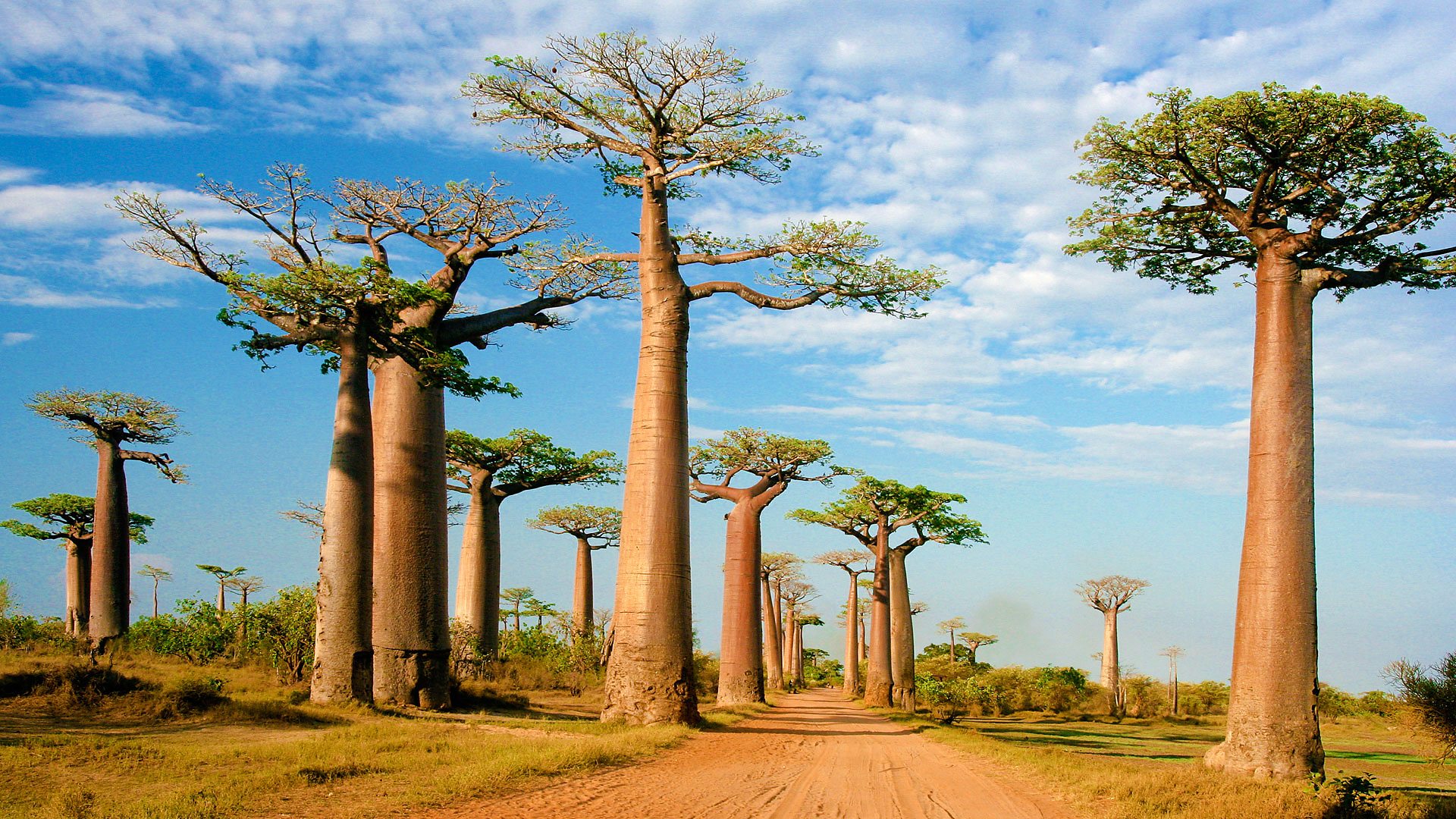
Baobab

Baobab
Oak
Guanacaste Tree
Shadow
Fish
Charlie Tuna

Psalm 44:11
 "Thou hast given us like sheep appointed for meat; and hast scattered us among the heathen."


Image result for baobab
Baobab trees live to be very old and grow to be very tall. The Sunland “Big baobab” in Limpopo Province in South Africa reached 22 metres high and 47 metres in circumference before it toppled over in April 2017.


Image result for baobab el principito
Puede que de entre todas las reflexiones que nos dejó Antoine de Saint-Exupéry en El Principito, esta, sea sin duda una de las más interesantes. En el libro, el pequeño protagonista arrancaba diariamente las semillas «malas» de su planeta mientras alimentaba y regaba las semillas «buenas». Las malas eran las de baobab, esas que debía eliminar de raíz antes de que destruyeran su mundo desde el interior. Las semillas buenas cómo no, eran los rosales y en concreto esa por la que sentía una especial predilección.


Image result for Guanacaste Tree
Guanacaste tree
 s Juntas, Guanacaste. Cuenta una antiquísima leyenda chorotega que en tiempos inmemoriales existió un aborigen que se convirtió en una calamidad para su pequeña aldea. Ese individuo, ansioso por enterarse y divulgar los detalles escabrosos de la vida de los demás, no solo andaba averiguando lo que podía mediante las conversaciones que entablaba sino que se apostaba disimuladamente a oír conversaciones ajenas.
Cuando algunas personas empezaron a cuidarse de decir cosas comprometedoras en su presencia, se dedicó a espiar y escuchar a sus vecinos amparado por la oscuridad de la noche. Algunos llegaron a sorprenderlo viendo por las rendijas de los ranchos o aguzando su oído junto a las paredes de los dormitorios.
Después, apertrechado de chismes, se reunía, en el centro del plaza, con un grupo curiosos maliciosos que le paraban las orejas y después se iban, cada uno por su lado, a divulgar los detalles escabrosos de las vidas íntimas de los lugareños; como suele suceder, sin tomarse la molestia de constatar la veracidad de lo dicho por el chismoso, y más bien agregando pormenores de su propia cosecha. Los detalles divulgados causaban o agudizaban no pocos desacuerdos entre parejas, amigos y vecinos.
Desesperados por las situaciones incómodas que la maledicencia de aquel hablador estaba ocasionando en la comunidad, un grupo de aldeanas convinieron en pedirles a los dioses que los librara de aquel lenguaraz. Durante varias lunas elevaron las plegarias correspondientes y hasta hicieron pequeños sacrificios por ese deseo. Al cabo de pocos días el individuo desapareció; en consecuencia, los aldeanos dieron gracias a los dioses por el favor concedido y siguieron con sus apacibles vidas.
Pero he aquí que uno de ellos, por esos mismos días, advirtió que había brotado en el centro de la plaza (donde se reunían los chismosos) un árbol que crecía inusualmente rápido. De ahí en adelante todos estuvieron pendientes del árbol y se maravillaban al notar, cada mañana, su acelerado crecimiento. Al cabo de doce lunas el árbol había alcanzado el tamaño y la madurez suficiente como para que le brotaran flores y unas pocas semanas después emergieron de ellas los frutos: unas vainas con forma de orejas.
Desde entonces, los aldeanos se reunían bajo su sombra y se dedicaban a chismorrear, confiados en que el paisano, podía oír todo que decían, pero ya no podría llevar los chismes a las orejas inapropiadas.
Tal fue el origen del árbol de Guanacaste.


Shadow Spaces 
Personal Project
Shadow Spaces is a new personal series that studies the relationship between space, form, light and it’s natural counterpart, shadow.


Image result for charlie tuna


Chess: "Baobab" "Oak" "Guanacaste Tree" "Shadow" "Fish" "Charlie Tuna"


Related image


El chilamate  
Este hombre vivía en tierra caliente, y el sol arremetía implacable sus llamas contra el patio de su casa. El calor, enfurecido, requemaba la arena metálica y crujía en los tabiques encalados de blanco. Un reflejo de chispa y ardor acuchillaba los ojos. Todavía al atardecer, cuando el sol se corta en los dientes de la sierra, quedaban algunos diablejos de reverberaciones atizando los rescoldos en aquel horno del maldito patio. Pero aquello tenía remedio. El hombre se fue a un chilamatal. Eligió un árbol niño. Lo trasplantó al centro del patio, y esperando pacientemente que creciera para aprovechar la sombra, se hizo viejo. Casi no hablaba con su mujer. Al principio, cuando se la llevó a vivir con él, era bueno y cariñoso; pero, a la par del tiempo, tuvo la sensación de que su mujer... era una vieja de madera; y permanecía viviendo a su lado, áspero y huraño. Ella no protestaba; sin embargo, en su silencio inconforme tenía ganas como de herirlo de algún modo, para desquitarse de su degradación. Bien. Resulta que el chilamate fue tomando altura y el hombre necesitaba que sus ramas se extendieran horizontalmente, para que cubrieran con su sombra el mayor espacio posible de terreno. Entonces podó el árbol y, en consecuencia, en lados opuestos del tronco brotaron dos hermosas ramas como brazos. Por otra parte, el tallo, no se sabe por qué, había crecido como dos piernas apretadas una con la otra. Aquél árbol iba tomando formas escultóricas de mujer. Y he aquí, donde empieza el problema del hombre. Todas las tardes, cuando regresaba de su trabajo, se sentaba a la sombra del chilamate a contemplar la nueva mujer de madera... y terminaba por ponerse a beber vino de coyol. Su compañera lo observaba por entre las rendijas de la cocina, pero nunca decía nada. El hombre sentía sobre él las miradas de su mujer, pero tampoco decía nada. En cierta ocasión oyó decir que la sombra de los chilamates era mala; que hacía daño a quien se sienta bajo su frescura y que producía la muerte con su llanto de la tarde. Él no creyó en aquello, pero siguió bebiendo vino de coyol en la cocina. La mujer se mudó de la cocina a la sombra del chilamate, a tejer canastillas de burío. El hombre contemplaba a la mujer y el árbol, y cuando se le alojaban en la cabeza los vapores del fermento, empezaba su confusión, y ya no sabía cuál era el árbol y cuál la mujer. Se le había hecho un trastorno, y para descifrar aquel embrollo, seguía bebiendo grandes cantidades de vino de coyol. Una noche, el hombre se levantó y pasó su mano callosa sobre el cuerpo del chilamate. Luego la retiró asustado porque había experimentado cierto placer. Se metió
en la casa y le dijo a su compañera que a la mañana siguiente tomaría el tren para San José... Y a la mañana siguiente se marchó. Dos semanas después el hombre volvió a su casa. Aquella huida hacia climas fríos le serenó un poco el espíritu, y le había aplacado la sed de vino de coyol. También estuvo pensando en su mujer con extraña ternura. Fue preciso alejarse unos cuantos días de ella, para descubrir que aún la quería... buena, triste, callada, haciendo canastillas de burío, a la sombra dañina del chilamate. Le llevaba un regalo. Unas lindas argollas de oro. Iba dispuesto a cambiar con ella. Iba resuelto a volverse atento y cariñoso, como había sido al principio, cuando era joven y se la llevó a vivir con él. Algunas veces pensaba también en su árbol, ¡su querido árbol!, al que no permitía que se le tocara ni una hoja... a pesar de que su sombra era mala. Al llegar al pueblo, un vecino le contó que su mujer tenía cuatro días de enterrada. El hombre se sintió herido, entró en su casa y corrió al patio. Estuvo inmóvil... hasta que el sol empezó a cortarse en los dientes de la sierra, dispuesto a vengar a su vieja, con las argollas de oro dobladas en el puño, frente al árbol asesino... Mirando con asombro la asombrosa sombra del chilamate. Después... descolgó el hacha.

Sunday, March 9, 2014

Converzacione

Kirk
Fish
The Miraculous Draught
Maine
Sir Philip Sydney 
Converse 
Conversazione
Talk

Psalm 24:10
"Who is this King of glory? The LORD of hosts, he is the King of glory. Selah." 

"Let poets match their subject to their strength"~~~Earl Roscommon


Raphael : the Miraculous Draught of Fish


 Woman with a Veil (La Donna Velata) 
1516Oil on canvas, 82 x 60,5 cm 
Galleria Palatina (Palazzo Pitti), Florence


Painting by Raphael, ca 1507, The Virgin and Child ('The Bridgewater Madonna').


Vatican, Rome, Italy


Chess: "Fish" "The Miraculous Draught" "Maine" "Sir Philip Sydney" "Converse" "Conversazione" "Kirk" "Talcahuano" "Talk"

Saturday, July 25, 2009

And the more fish they ate, the lower their risk, the report found. The findings appeared in the August issue of The American Journal of Clinical Nutr

U
Fish
Zona
Prov. 1:21
"She crieth in the chief place of concourse, in the openings of the gates: in the city she uttereth her words, saying,"
Wings 02
Seeing the Sites Parasailing Through the Countryside

fresh fish for dinner

Chess: "Fish" "Zona" "U"

How about Bill Gates and professor Henry Gates? ;-)

Obama Shifts Tone on Gates After Mulling Debate

Mr. Obama placed calls to both the professor, Henry Louis Gates Jr., and the man who arrested him, Sgt. James Crowley, two days after saying the police had “acted stupidly” last week in hauling Professor Gates from his home in handcuffs. Mr. Obama said he still considered the arrest “an overreaction,” but added that “Professor Gates probably overreacted as well.”


Large Study Points to the Brain Benefits of Eating Fish

Published: July 21, 2009
Many studies have suggested that a diet rich in fish is good for th e heart. Now there is new evidence that such a diet may ward off dementia as well. One of the largest efforts to document a connection — and the first such study undertaken in the developing world — has found that older adults in Asia and Latin America were less likely to develop dementia if they regularly consumed fish.

And the more fish they ate, the lower their risk, the report found. The findings appeared in the August issue of The American Journal of Clinical Nutrition.

The study, which included 15,000 people ages 65 and older in China, India, Cuba, Venezuela, Mexico, Peru and the Dominican Republic, found that those who ate fish nearly every day were almost 20 percent less likely to develop dementia than those who ate fish just a few days a week. Adults who ate fish a few days a week were almost 20 percent less likely to develop dementia than those who ate no fish at all.

“There is a gradient effect, so the more fish you eat, the less likely yo

u are to get dementia,” said Dr. Emiliano Albanese, a clinical epidemiologist at King’s College London and the senior author of the study. “Exactly the opposite is true for meat,” he added. “The more meat you eat, the more likely you are to have dementia.” Other studies have shown that red meat in particular may be bad for the brain.

Fish, especially oily fish, may be protective against dementia because it is rich in omega-3 long-chain polyunsaturated fatty acids, which studies suggest m

ay have numerous health benefits, among them anti-inflammatory properties. Omega-3 fatty acids have been shown in animal studies to reduce the build-up of atherosclerotic plaques and may also prevent the accumulation of amyloid plaques in the brain characteristic of Alzheimer’s disease, Dr. Albanese said.

But though numerous observational studies in the West also h

ave indicated fish may reduce dementia risk, there is little evidence as yet from randomized controlled clinical trials, which provide the best scientific evidence but are expensive and difficult to carry out.

Although the new study was an observational study, Dr. Albanese suggested that since the findings are consistent both in the West and in developing countrie

s, where the environment and lifestyle are so different, the new data lend support to the hypothesis that fish is protective against dementia.

Most of the elderly surveyed in the study lived with extended families, and those seniors who had electricity and indoor plumbing, or several assets like a car, a ph

one, a TV or a refrigerator were considered relatively well off.

Researchers assessed the dietary habits of 14,960 study partici pants by going door-to-door to do face-to-face interviews, and they diagnosed dementia by using culturally validated criteria. The data were adjusted to accoun t for differences in such variables as sex, age, education, income, smoking and physical health.

An Amazon Culture Withers as Food Dries Up

Published: July 24, 2009

A woman and a child of the Kamayurá tribe in the Amazon bathed in a lake on the evening of June 6. Members of the tribe usually bathe three times each day.

XINGU NATIONAL PARK, Brazil — As the naked, painted young men of the Kamayurá tribe prepare for the ritualized war games of a festival, they end their haunting fireside chant with a blowing sound — “whoosh, whoosh” — a symbolic attempt to eliminate the scent of fish so they will not be detected by enemies. For centuries, fish from jungle lakes and rivers have been a staple of the Kamayurá diet, the tribe’s primary source of protein.
But fish smells are not a problem for the warriors anymore. Deforestation and, some scientists contend, global climate change are making the Amazon region drier and hotter, decimating fish stocks in this area and imperiling the Kamayurá’s very existence. Like other small indigenous cultures around the world with little money or capacity to move, they are struggling to adapt to the changes.

“Us old monkeys can take the hunger, but the little ones suffer — they’re always asking for fish,” said Kotok, the tribe’s chief, who stood in front of a hut containing the tribe’s sacred flutes on a recent evening. He wore a white T-shirt over the tribe’s traditional dress, which is basically nothing.

Chief Kotok, who like all of the Kamayurá people goes by only one name, said that men can now fish all night without a bite in streams where fish used to be abundant; they safely swim in lakes previously teeming with piranhas.

Responsible for 3 wives, 24 children and hundreds of other tribe members, he said his once-idyllic existence had turned into a kind of bad dream.

“I’m stressed and anxious — this has all changed so quickly, and life has become very hard,” he said in Portuguese, speaking through an interpreter. “As a chief, I have to have vision and look down the road, but I don’t know what will happen to my children and grandchildren.”

The Intergovernmental Panel on Climate Change says that up to 30 percent of animals and plants face an increased risk of extinction if global temperatures rise 2 degrees Celsius (3.6 degrees Fahrenheit) in coming decades. But anthropologists also fear a wave of cultural extinction for dozens of small indigenous groups — the loss of their traditions, their arts, their languages.

“In some places, people will have to move to preserve their culture,” said Gonzalo Oviedo, a senior adviser on social policy at the International Union for Conservation of Nature in Gland, Switzerland. “But some of those that are small and marginal will assimilate and disappear.”

To make do without fish, Kamayurá children are eating ants on their traditional spongy flatbread, made from tropical cassava flour. “There aren’t as many around because the kids have eaten them,” Chief Kotok said of the ants. Sometimes members of the tribe kill monkeys for their meat, but, the chief said, “You have to eat 30 monkeys to fill your stomach.”

Living deep in the forest with no transportation and little money, he noted, “We don’t have a way to go to the grocery store for rice and beans to supplement what is missing.”

Tacuma, the tribe’s wizened senior shaman, said that the only threat he could remember rivaling climate change was a measles virus that arrived deep in the Amazon in 1954, killing more than 90 percent of the Kamayurá.

Cultures threatened by climate change span the globe. They include rainforest residents like the Kamayurá who face dwindling food supplies; remote Arctic communities where the only roads were frozen rivers that are now flowing most of the year; and residents of low-lying islands whose land is threatened by rising seas.

Many indigenous people depend intimately on the cycles of nature and have had to adapt to climate variations — a season of drought, for example, or a hurricane that kills animals.

But worldwide, the change is large, rapid and inexorable, heading in only one direction: warmer. Eskimo settlements like Kivalina and Shishmaref in Alaska are “literally being washed away,” said Thomas Thornton, an anthropologist who studies the region, because the sea ice that long protected their shores is melting and the seas around are rising. Without that hard ice, it becomes difficult, if not impossible, to hunt for seals, a mainstay of the traditional diet.

Some Eskimo groups are suing polluters and developed nations, demanding compensation and help with adapting.

“As they see it, they didn’t cause the problem, and their lifestyle is being threatened by pollution from industrial nations,” said Dr. Thornton, who is a researcher at the Environmental Change Institute at the University of Oxford. “The message is that this is about people, not just about polar bears and wildlife.”

At climate negotiations in December in Poznan, Poland, the United Nations created an “adaptation fund” through which rich nations could in theory help poor nations adjust to climate change. But some of the money was expected to come from voluntary contributions, and there have been none so far, said Yvo De Boer, the executive secretary of the United Nations Framework Convention on Climate Change. “It would help if rich countries could make financial commitments,” he said.

Throughout history, the traditional final response for indigenous cultures threatened by untenable climate conditions or political strife was to move. But today, moving is often impossible. Land surrounding tribes is now usually occupied by an expanding global population, and once-nomadic groups have often settled down, building homes and schools and even declaring statehood.

The Kamayurá live in the middle of Xingu National Park, a vast territory that was once deep in the Amazon but is now surrounded by farms and ranches.

About 5,000 square miles of Amazon forest are being cut down annually in recent years, according to the Brazilian government. And with far less foliage, there is less moisture in the regional water cycle, lending unpredictability to seasonal rains and leaving the climate drier and hotter.

That has upended the cycles of nature that long regulated Kamayurá life. They wake with the sun and have no set meals, eating whenever they are hungry.

Fish stocks began to dwindle in the 1990s and “have just collapsed” since 2006, said Chief Kotok, who is considering the possibility of fish farming, in which fish would be fed in a penned area of a lake. With hotter temperatures as well as less rain and humidity in the region, water levels in rivers are extremely low. Fish cannot get to their spawning grounds.

Last year, for the first time, the beach on the lake that abuts the village was not covered by water in the rainy season, rendering useless the tribe’s method of catching turtles by putting food in holes that would fill up, luring the animals.

The tribe’s agriculture has suffered, too. For centuries, the Kamayurá planted their summer crops when a certain star appeared on the horizon. “When it appeared, everyone celebrated because it was the sign to start planting cassava since the rain and wind would come,” Chief Kotok recalled. But starting seven or eight seasons ago, the star’s appearance was no longer followed by rain, an ominous divergence, forcing the tribe to adjust its schedule.

It has been an ever-shifting game of trial and error since. Last year, families had to plant their cassava four times — it died in September, October and November because there was not enough moisture in the ground. It was not until December that the planting took. The corn also failed, said Mapulu, the chief’s sister. “It sprouted and withered away,” she said.

A specialist in medicinal plants, Ms. Mapulu said that a root she used to treat diarrhea and other ailments had become nearly impossible to find because the forest flora had changed. The grass they use to bound together the essential beams of their huts has also become difficult to find.

But perhaps the Kamayurá’s greatest fear are the new summer forest fires. Once too moist to ignite, the forest here is now flammable because of the drier weather. In 2007, Xingu National Park burned for the first time, and thousands of acres were destroyed.

“The whole Xingu was burning — it stung our lungs and our eyes,” Chief Kotok said. “We had nowhere to escape. We suffered along with the animals.”